Kisaju, Kajiado CountyMon – Sat, 8 AM – 5 PM

Refractory materials for furnaces, kilns and boilers

Furnace, kiln and boiler materials rated from 1000°C to 2000°C — brick, castables, mortars and ceramic fibre.
A refractory lining is a system rather than a single product. The hot face meets the flame or the melt; behind it, insulating layers hold the heat in; between the bricks, a mortar has to survive the same temperature as the brick.

We supply each layer, rated from 1000°C to 2000°C, so a whole lining can come on one quotation.

Typical applications

  • Furnace and kiln linings
  • Boiler and incinerator refractory
  • Ladles and hot-metal handling
  • Lining repairs and patching
  • High-temperature door and joint sealing

Industries served

  • Steel & foundry
  • Cement & lime
  • Glass
  • Power generation
  • Industrial plants

By job

How the materials differ

Dense brick and castable
Carry load, resist abrasion and stand up to molten metal. They also store heat.
Insulating brick and ceramic fibre
Light, and store little heat, so a lining heats and cools faster. They do not belong where the lining takes abrasion, impact or metal contact.
Castables
Cast in place: one-piece linings, burner surrounds and repairs where brick shapes do not fit. Refractory cement, castable or mortar?
Mortar
Has to match the brick's duty. Maxset 50 Fine is rated to 1500°C.
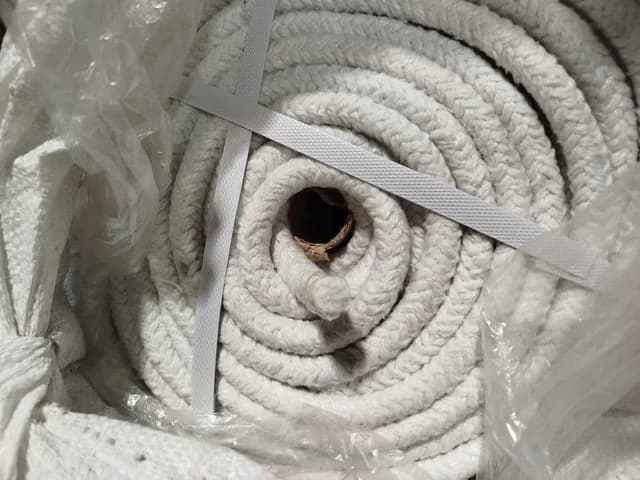
Fibre rope, tape and cloth
Seal doors, flanges and expansion joints.
Handling
Cut fibre with a knife rather than a saw where you can, and wear gloves, long sleeves and a dust mask. The maker's data sheet gives the full advice.

Choosing the right material

  1. Start from the hot-face temperature, with headroom. A rating is a ceiling, not a target. What a max service temperature means
  2. Ask what touches the lining. Flame, abrasion, slag or molten metal decides between dense and insulating.
  3. Count the heating cycles. A lining that heats and cools daily favours fibre and insulating brick.
  4. Decide how it will be installed. Laid brick, cast in place, or blanket and board.
  5. Plan the layers behind the hot face. Back-up insulation lowers the casing temperature and the fuel bill.
  6. Match alumina content to the duty. Higher-alumina brick is rated hotter. What the alumina percentage buys you

Brick, castable, blanket or board?

A refractory lining is a system, and the four forms do different jobs. Brick and castable build the hot face that takes the heat and the chemistry; blanket and board sit behind it to keep the heat in. Most jobs use at least two. Temperatures below are the published ratings of what we stock.

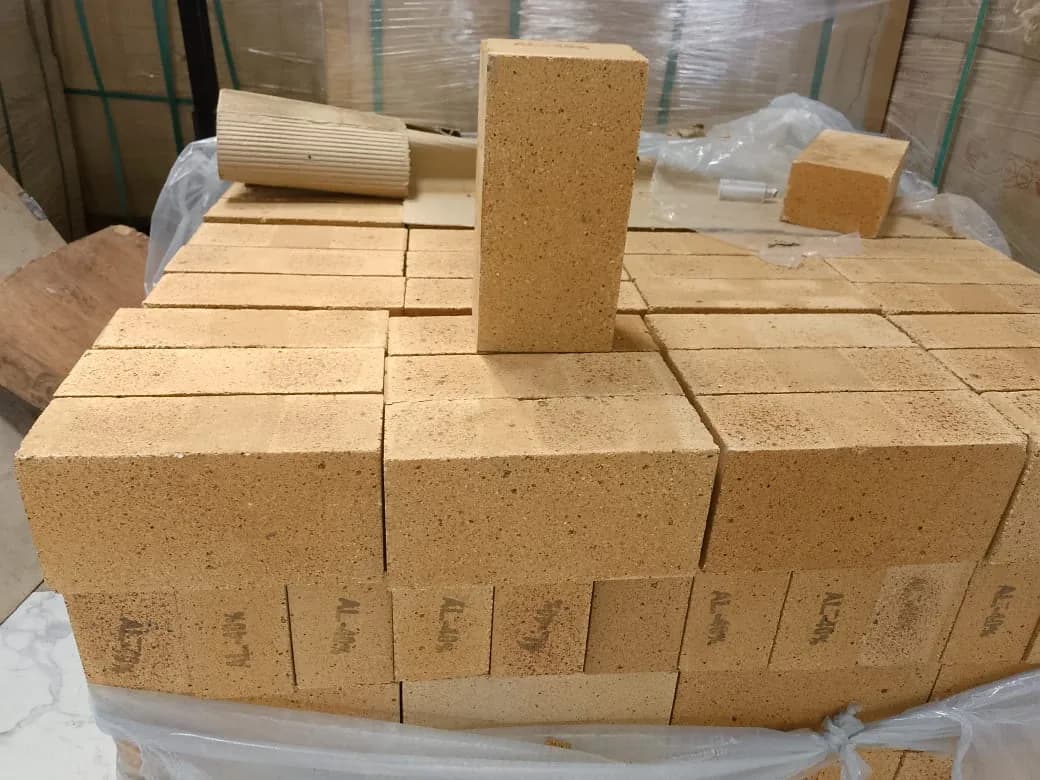
Firebrick — 40% alumina
Rated to: 1600°C
General-duty furnace and kiln work where the shape is built rather than cast. Stocked in standard, arch, split and slab shapes for curved and flat builds.
Firebrick — 70% alumina / zirconia
Rated to: 1750 – 2000°C
Where slag attack and hot strength matter — steel furnaces and ladles. 70% alumina covers 1750–1800°C; zirconia reaches 2000°C where alumina gives out.
Dense castable — Maxheat A / K
Rated to: 1600 – 1750°C
Complex shapes, repairs and anywhere brick cannot be coursed. Maxheat A is 88% alumina minimum to 1750°C; Maxheat K covers general duty at 1600°C.
Insulating castable — Maxlyte 11
Rated to: 1300°C
Back-up layers behind the hot face, where the job is to hold heat in rather than resist it. Lightweight aggregate, so it cuts wall losses and weight together.
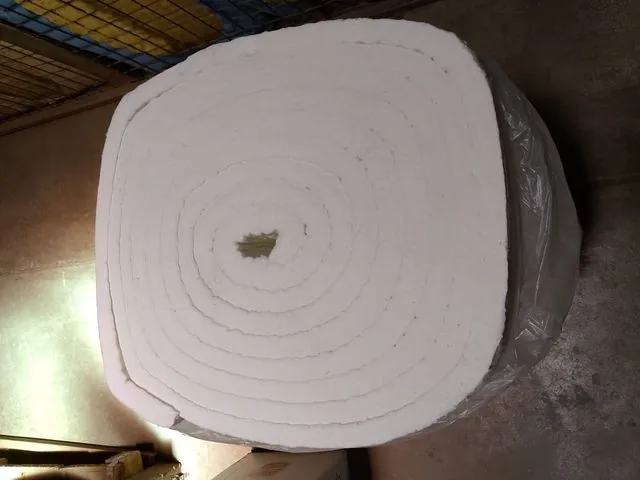
Ceramic fibre blanket
Rated to: 1260 grade
Wrapping, back-up insulation and filling irregular gaps. 128 kg/m³ alumina-silica — a fraction of the weight of brick for the same insulating effect.
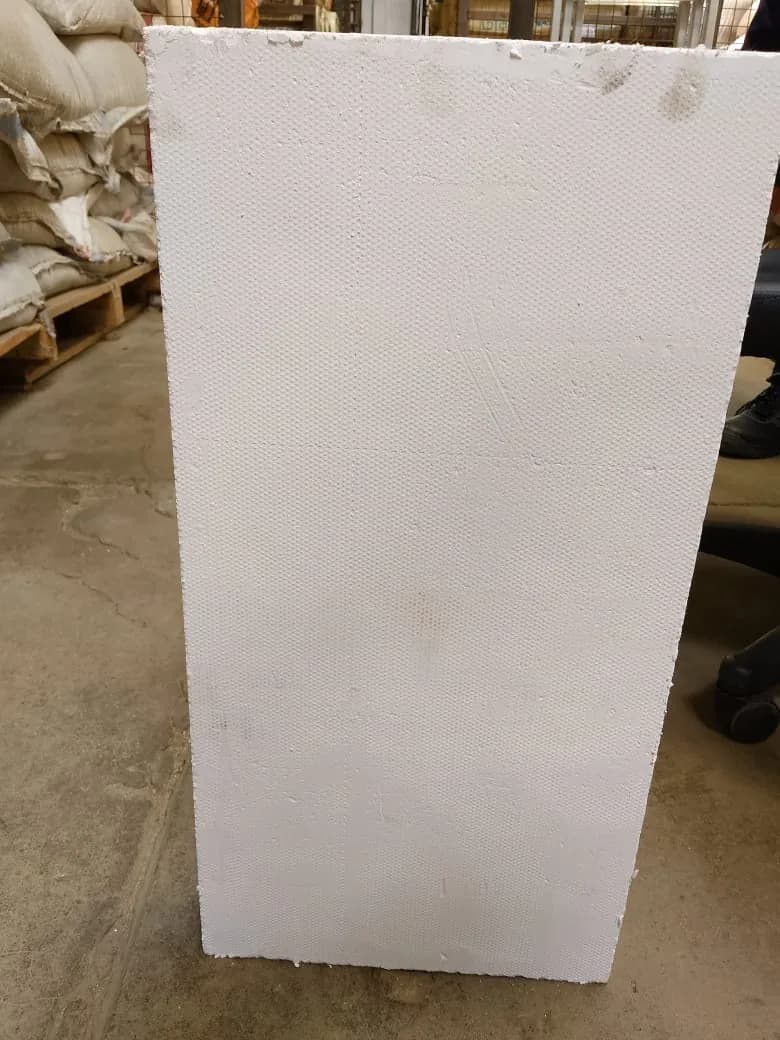
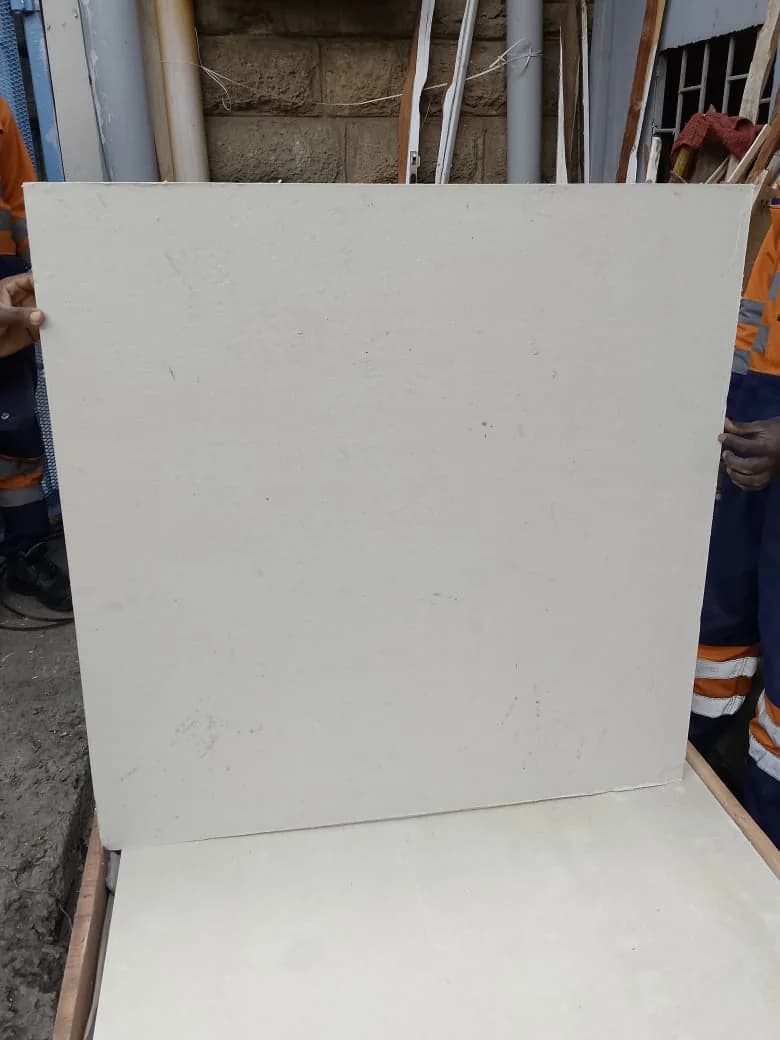
Board — ceramic fibre / calcium silicate
Rated to: 1260 grade / 1000°C
Where blanket needs support and a flat, self-supporting face is wanted. Calcium silicate at 1000°C adds strength and shrugs off moisture, mould and warping.
Read more: What a maximum service temperature actually tells you
  • Mortar is specified with the brick, not instead of it: Maxset 50 Fine joints brickwork to 1500°C, and Fondu Max-50 is the fast-setting calcium aluminate binder.
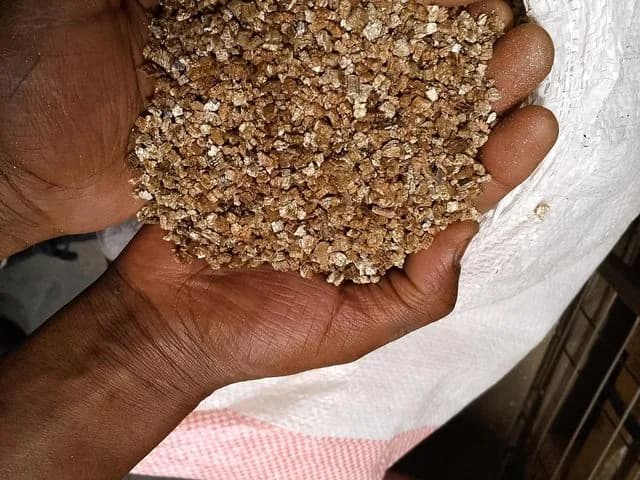
  • Expanded vermiculite, rated 1100°C, fills cavities and flues where no structural strength is needed.

Questions buyers ask

Which firebrick do I need?

Start from the hot-face temperature. 40% alumina brick is rated to 1600°C for general duty, 70% alumina to 1750–1800°C, and zirconia to 2000°C. Send us the operating temperature and what the lining touches, and we will say which grade we hold suits it.

Do you supply the mortar to lay the brick?

Yes. Maxset 50 Fine jointing mortar is rated to 1500°C. Above that, tell us the duty and we will advise.

Can ceramic fibre replace brick?

In some places. Fibre is light and stores little heat, so linings heat and cool faster. It is not for abrasion, impact or molten metal, where dense brick or castable belongs.

Is your ceramic fibre asbestos-free?

Yes. Ceramic fibre is an alumina-silica material, and the rope, tape and cloth we stock are non-asbestos.

Send us the lining, not just the brick

Tell us the furnace, kiln or boiler, its temperature and the layers you plan, and we will quote every layer together.