Kisaju, Kajiado CountyMon – Sat, 8 AM – 5 PM

Thermal and acoustic insulation for plant, pipework and buildings

Mineral wool, glasswool, elastomeric foam and reflective foil for roofs, pipework, plant and partitions — hot side, cold side and sound.
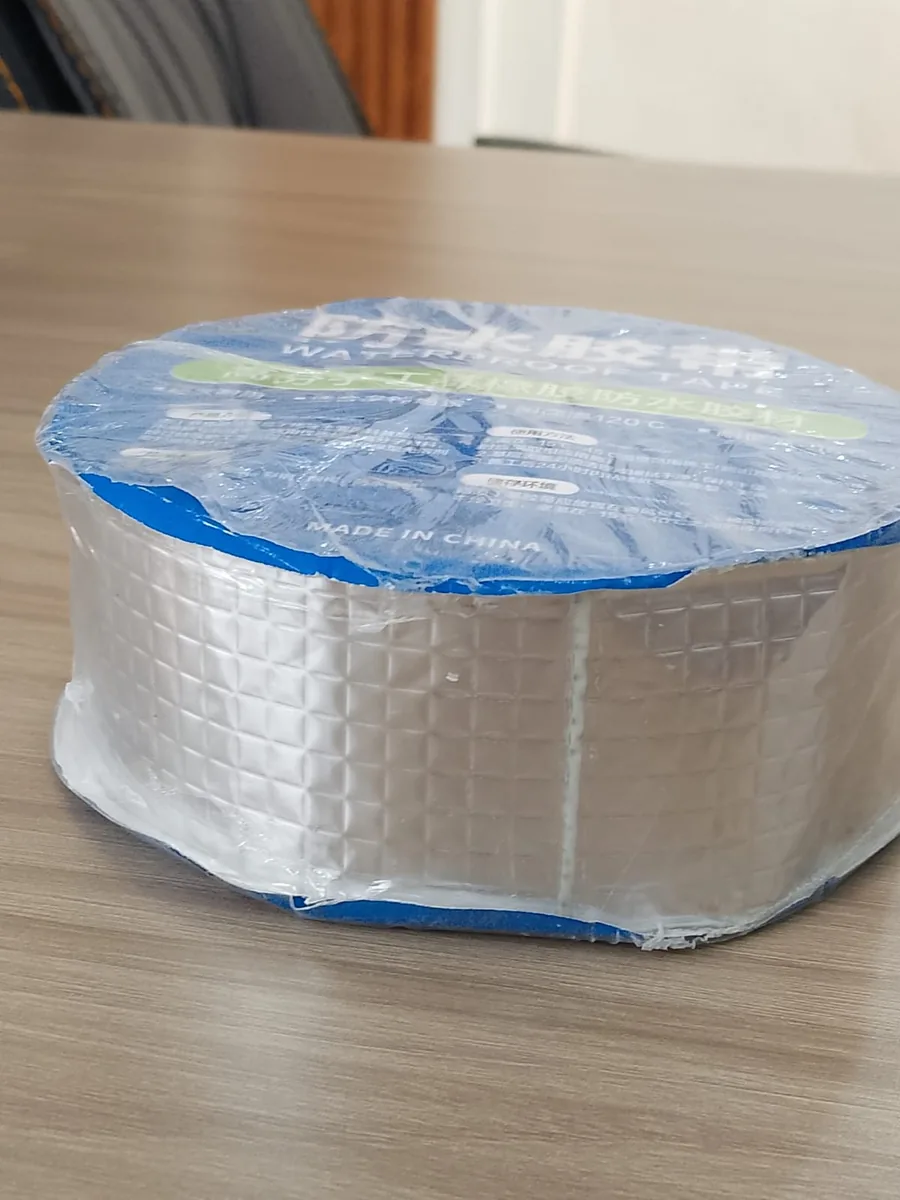
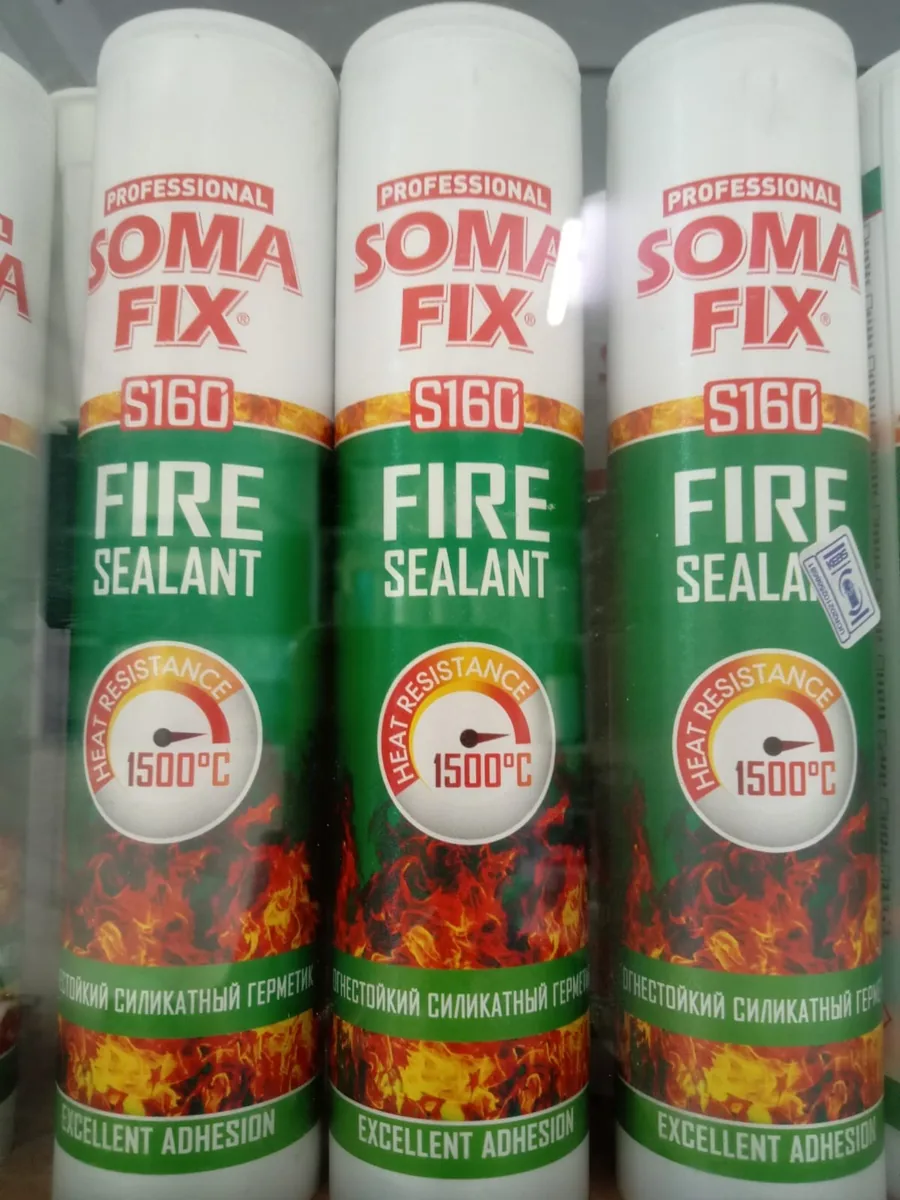
Insulation is three different problems that get treated as one. On hot pipework and plant, it keeps heat in and protects people from burns. On cold lines, its real job is stopping condensation, which needs a closed cell or an unbroken vapour barrier.

Between rooms, it is about sound: absorbing it inside a room, or blocking it between two. We stock for all three.

Typical applications

  • Steam and chilled pipework lagging
  • Roof and ceiling insulation
  • Cold rooms and refrigeration lines
  • Acoustic partitions and studios
  • Duct wrap and plant insulation

Industries served

  • Construction
  • HVAC
  • Food processing
  • Power generation
  • Commercial projects

By job

How the materials differ

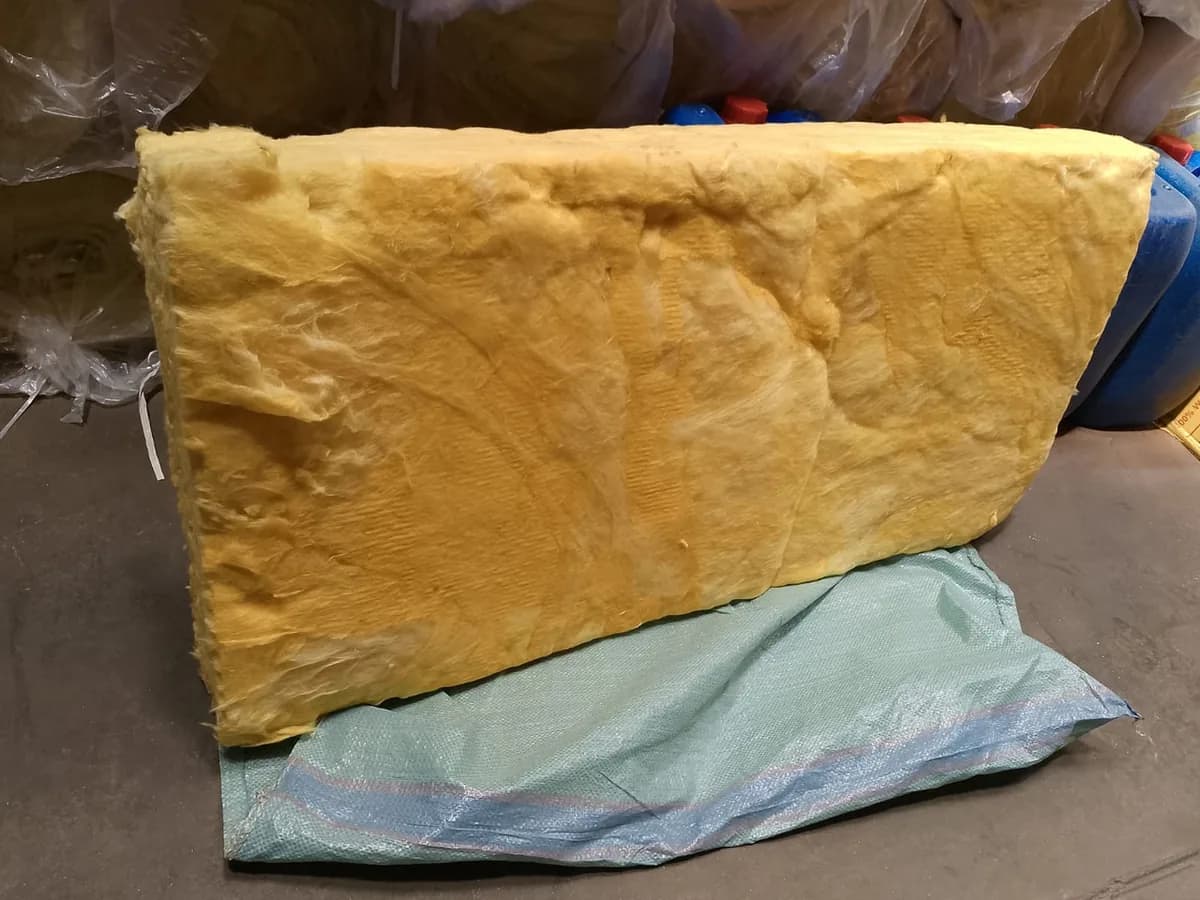
Mineral wool
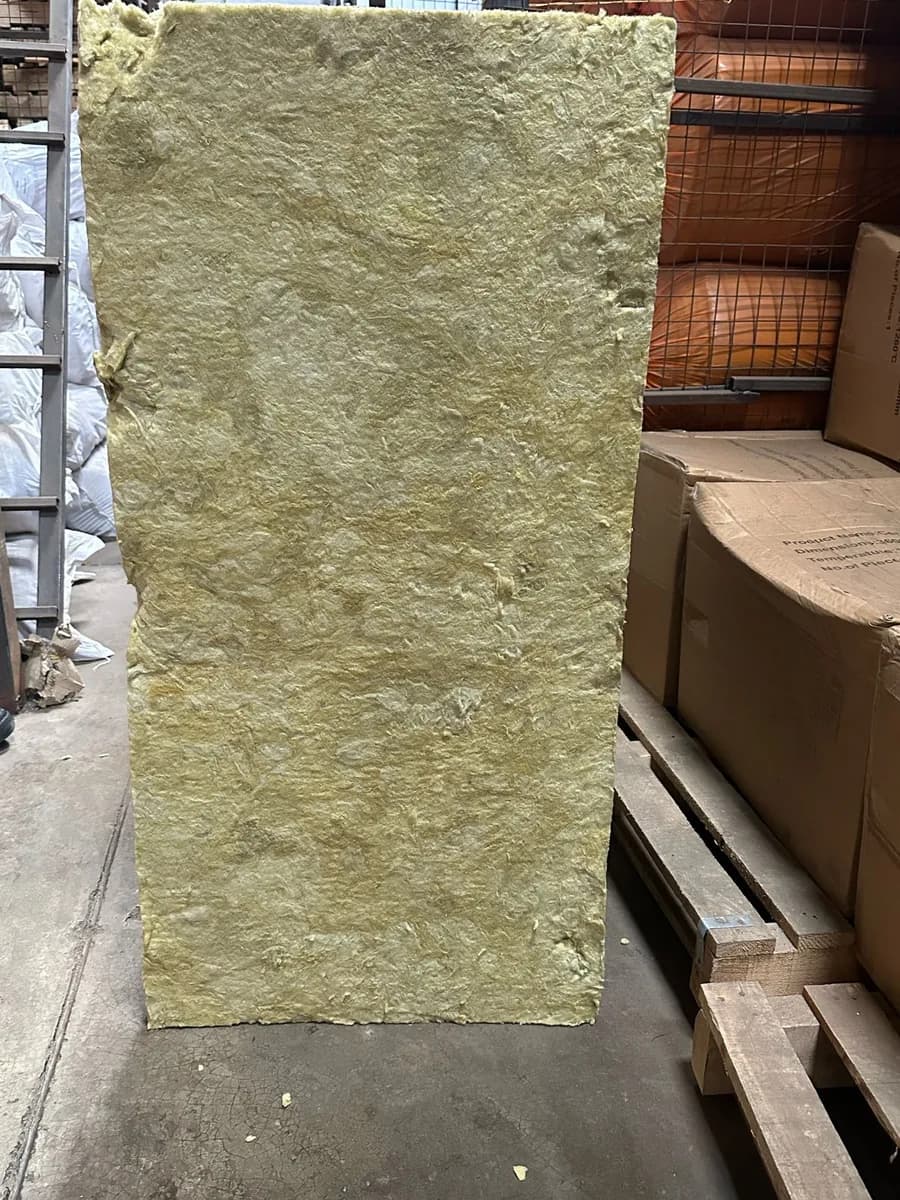
Rockwool and glasswool are fibrous and open. They suit hot surfaces and sound, and need a vapour barrier on anything cold. Rockwool, glass wool or ceramic fibre?
Closed-cell foam
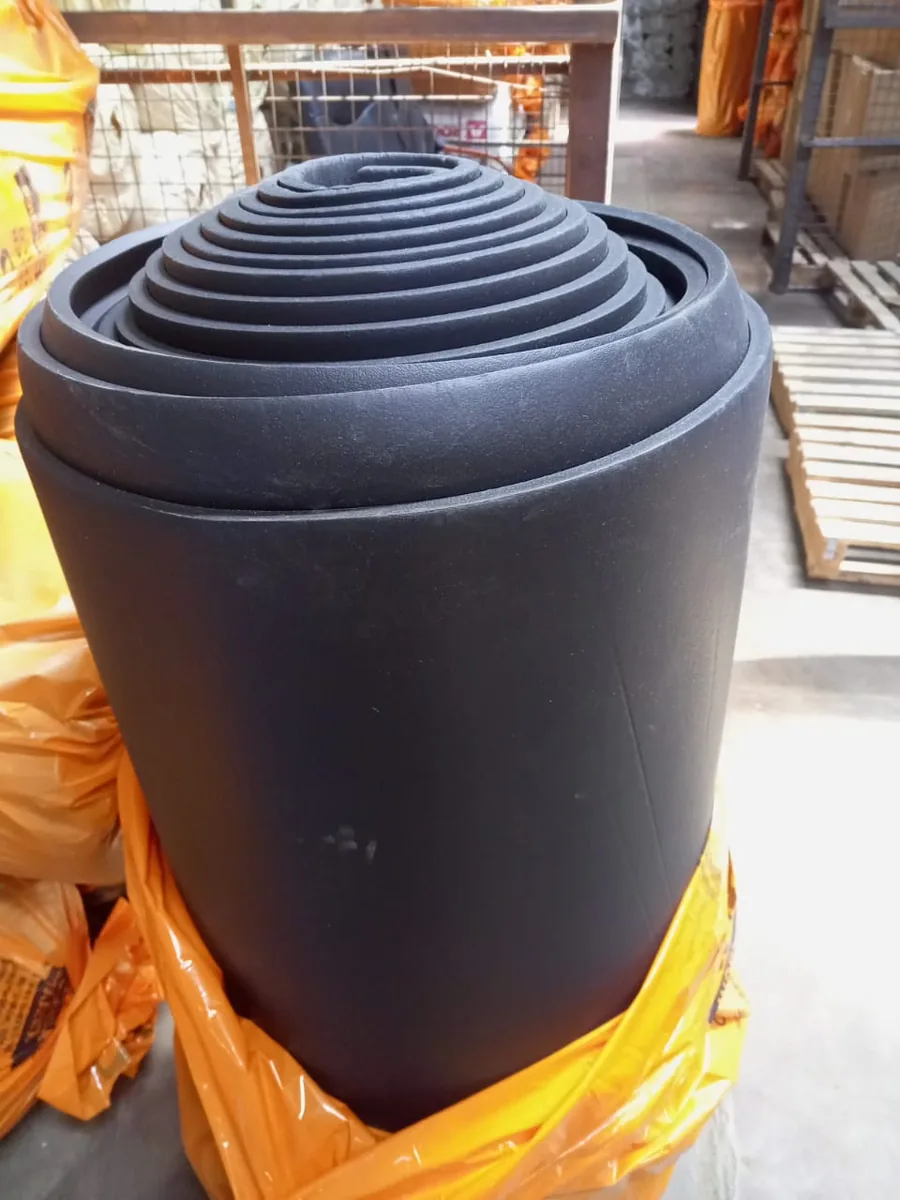
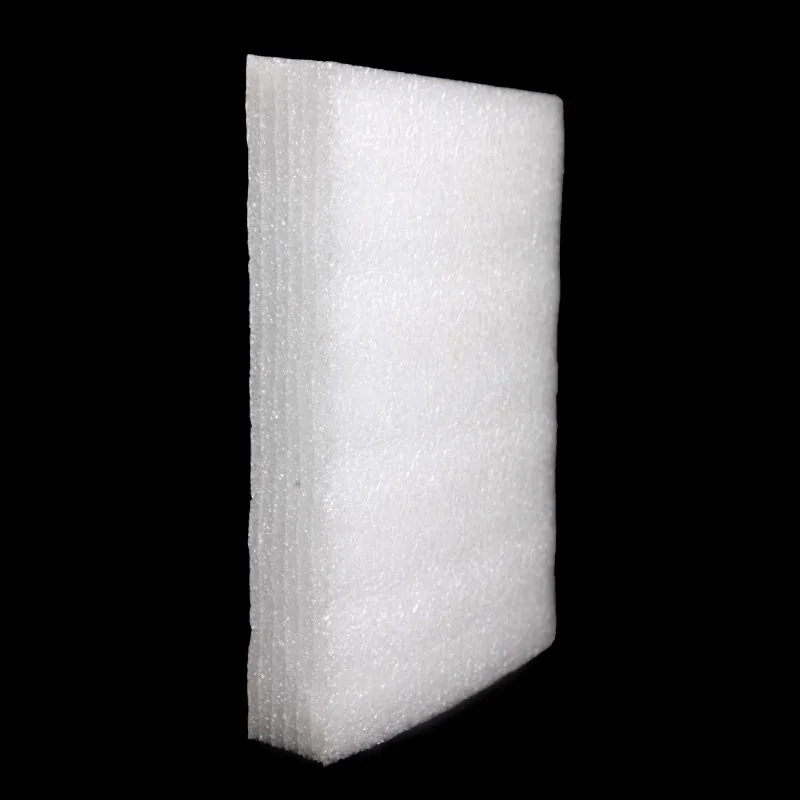
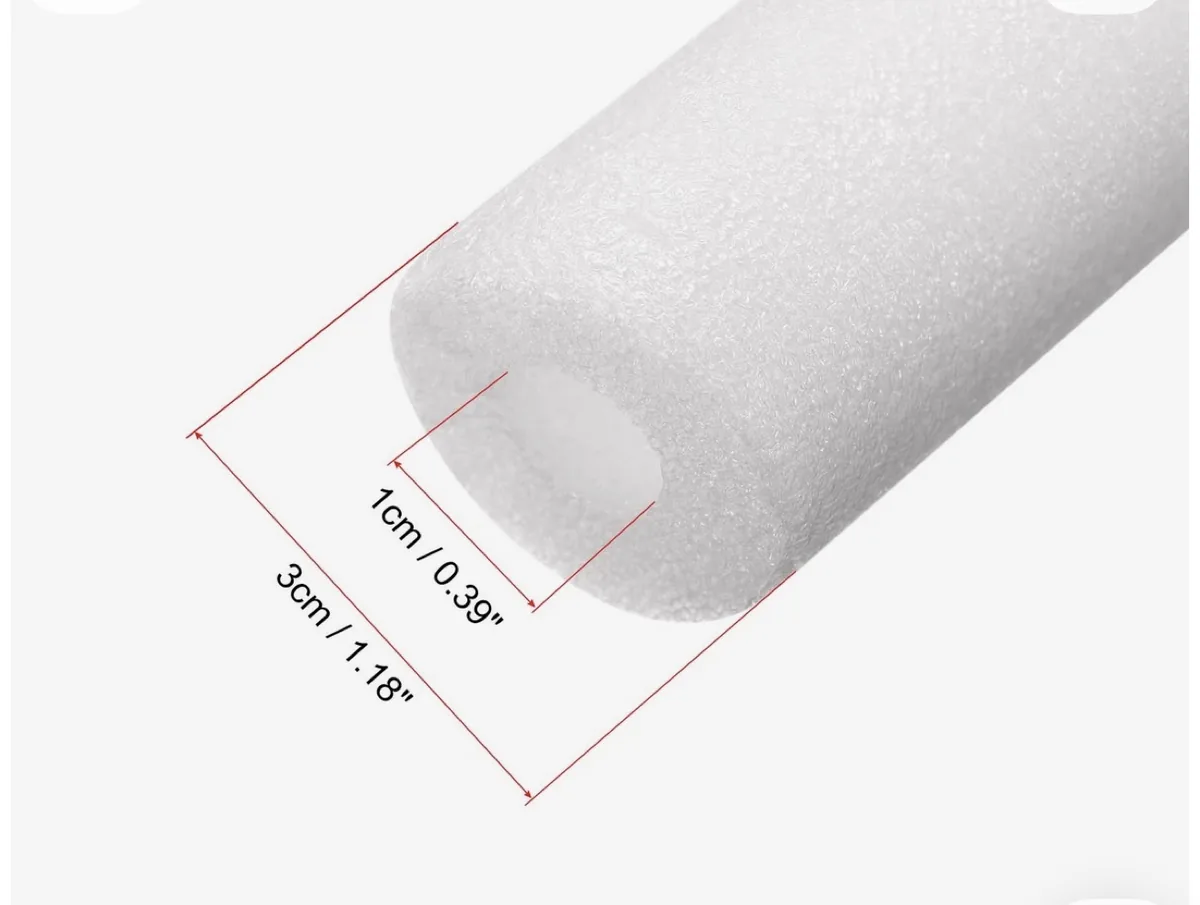
Armaflex, polyethylene and EPS keep moisture out. They are the materials for cold lines and condensation control, within their temperature range.
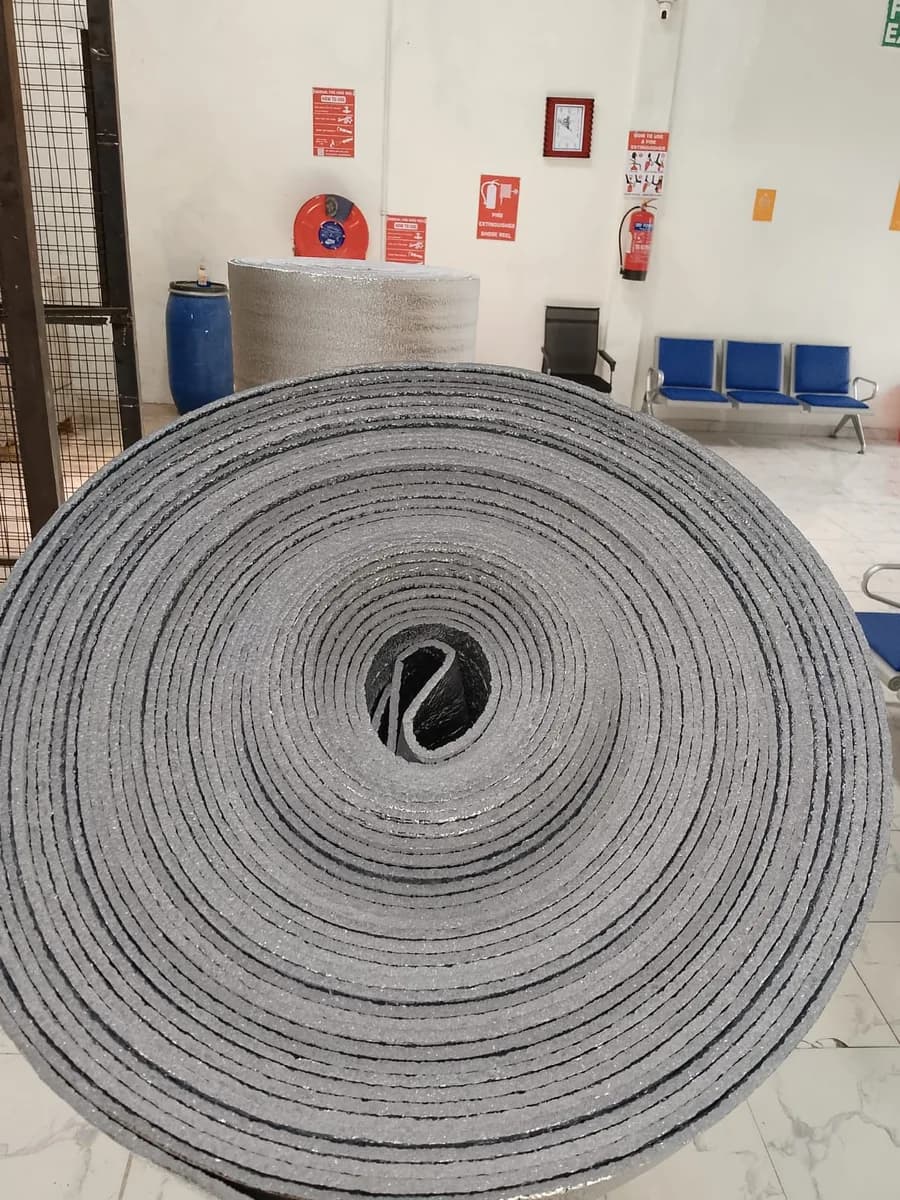
Reflective foil
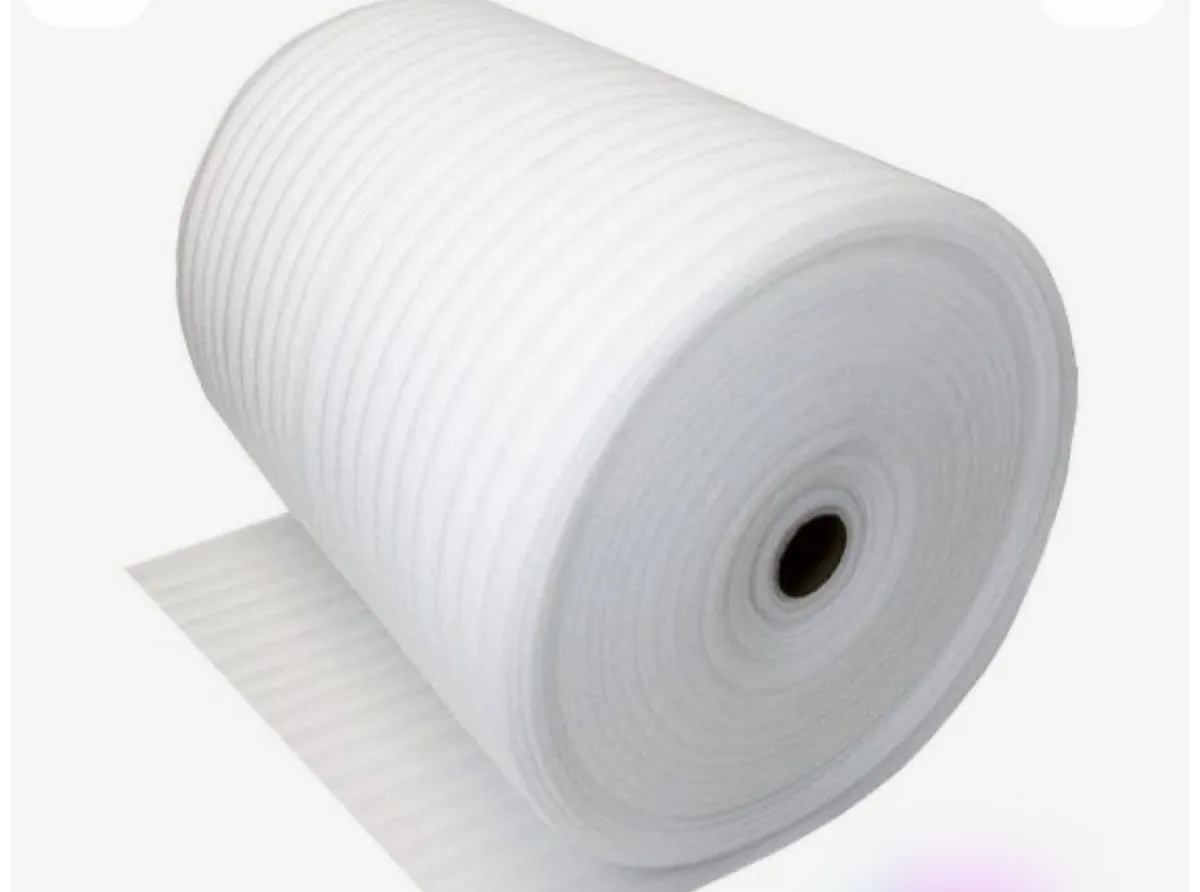
Stops radiant heat from metal roofs. Over a closed-cell core, it doubles as a vapour barrier.
Acoustic products
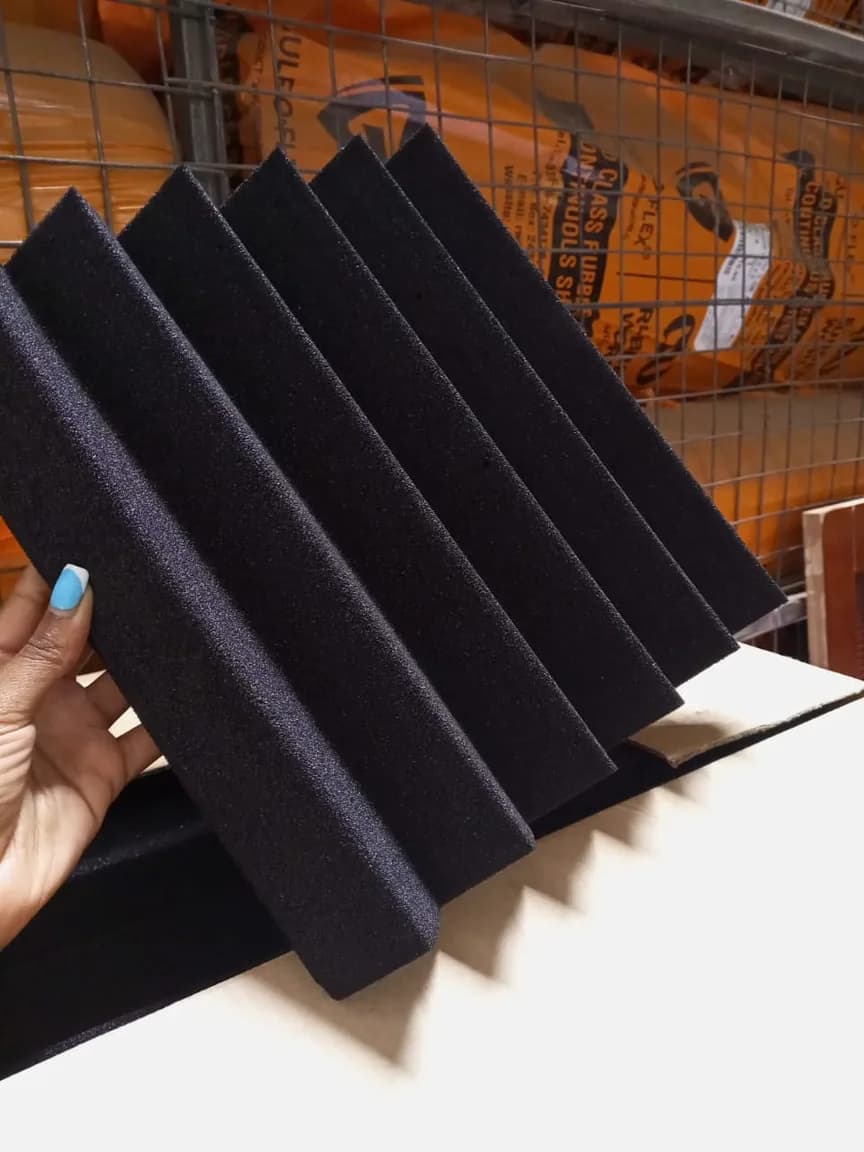
Rolls, wedges and fabric panels absorb sound inside a room; denser rockwool and glasswool slabs help separate rooms.
Non-combustible is not fire-rated
A material that does not burn is not, on its own, a fire-rated wall. Non-combustible is not fire-rated

Choosing the right material

  1. Name the problem first. Heat, cold or sound.
  2. Check the surface temperature against the rating. No service temperature is published here for glasswool, Armaflex or rockwool. Tell us the surface temperature and we confirm the material against the maker's data or the roll label.
  3. On cold surfaces, keep the vapour barrier unbroken. Seal every joint with tape. Insulating cold lines vs hot lines
  4. Pick the form for the surface. Rolls for large areas, slabs for walls and panels, pipe sections and sleeves sized to the bore.
  5. Read density for what it means. It changes what a product does, not just what it weighs. What a density figure tells you

Which insulation do you actually need?

Almost every insulation choice in industry is settled by one number: the hottest temperature the material will see in service. Pick the lowest-rated material that comfortably clears your operating temperature — over-specifying costs money, under-specifying fails. Densities and sizes below are the ones we stock.

Armaflex elastomeric foam
Max service temperature: Cold lines
Chilled and refrigeration lines, and anywhere condensation is the problem rather than heat. Closed-cell, so it resists moisture ingress on cold pipework.
Fiberglass (glasswool)
Max service temperature: Building temperatures
General building and ducting work. The lightest option at 24–32 kg/m³, in rolls and batts, and the cheapest way to cover large areas where temperatures stay moderate.
Rockwool
Max service temperature: Ask to confirm
Boilers, plant lagging, fire protection and acoustic duty. Non-combustible stone wool at 50–150 kg/m³ in rolls, slabs and preformed pipe sections — the workhorse for hot industrial surfaces.
Ceramic fibre blanket
Max service temperature: 1260 grade
Furnace, kiln and boiler linings, above what rockwool will take. Listed under Refractories rather than here, because at this temperature it is a lining material, not a lagging.
Read more: Cold lines and hot lines are opposite problems
  • Acoustic work is chosen by density, not temperature. Knauf acoustic roll, the lightest wool here, goes inside partitions and ceilings; rockwool and fiberglass slabs do the heavier duty where both sound and heat matter.
  • Polyethylene roof insulation, styrofoam, PE pipe sleeving and packaging foam carry no published service temperature. They are specified by thickness and barrier type, so tell us the application and we will confirm what suits.

Questions buyers ask

Rockwool or glasswool?

Both are mineral wool. Rockwool is non-combustible and comes denser, in rolls, slabs and preformed pipe sections. Glasswool is lighter and economical for roofs, ceilings, ducts and partitions at building temperatures. For hot plant and high-temperature duty, ask us and we will confirm rockwool's rating from the data sheet.

What stops condensation on chilled pipes?

A closed-cell insulation such as Armaflex, with every joint sealed. One gap lets warm, humid air reach the cold pipe.

Is reflective roof insulation also a vapour barrier?

The polyethylene roof insulation we stock is both: the foil reflects radiant heat from the roof sheet, and the closed-cell core keeps moisture out.

Do you sell acoustic panels?

Yes: fabric-faced panels 1.2 × 0.6m × 50mm in several colours, foam wedges, and Knauf acoustic roll for partitions.

Tell us the surface, not just the product

Pipe bore and temperature, roof area, or the rooms to separate: tell us the job and we will quote the insulation, the facing and the tape together.