For kiln and furnace builders, maintenance teams and procurement
Ask five suppliers for refractory cement and you can be handed five different bags. The name is used for castable, for jointing mortar and for the binder cement itself, and the three are not interchangeable.
Six products in our refractory range come in a bag. This is what each one is for, in the order a lining is built.
Castable: the one most people mean
A castable is a dry mix that is cast in place with water, like concrete, and rated for furnace temperatures. When a buyer says refractory cement, fire cement or fireproof cement, this is usually what they want.
We stock two dense castables. Maxheat A is the high-alumina grade, 88% Al₂O₃ minimum, rated to 1750°C. Maxheat K is the general-duty grade, 60% minimum, rated to 1600°C. Both come in 25 kg bags, and both are cast into shapes and repairs where brick cannot be coursed.
Maxheat K is the right choice more often than the hotter grade. Where there is no slag and the duty sits inside 1600°C, the extra alumina in Maxheat A is weight and cost you are not using.
Mortar: for the joints between bricks
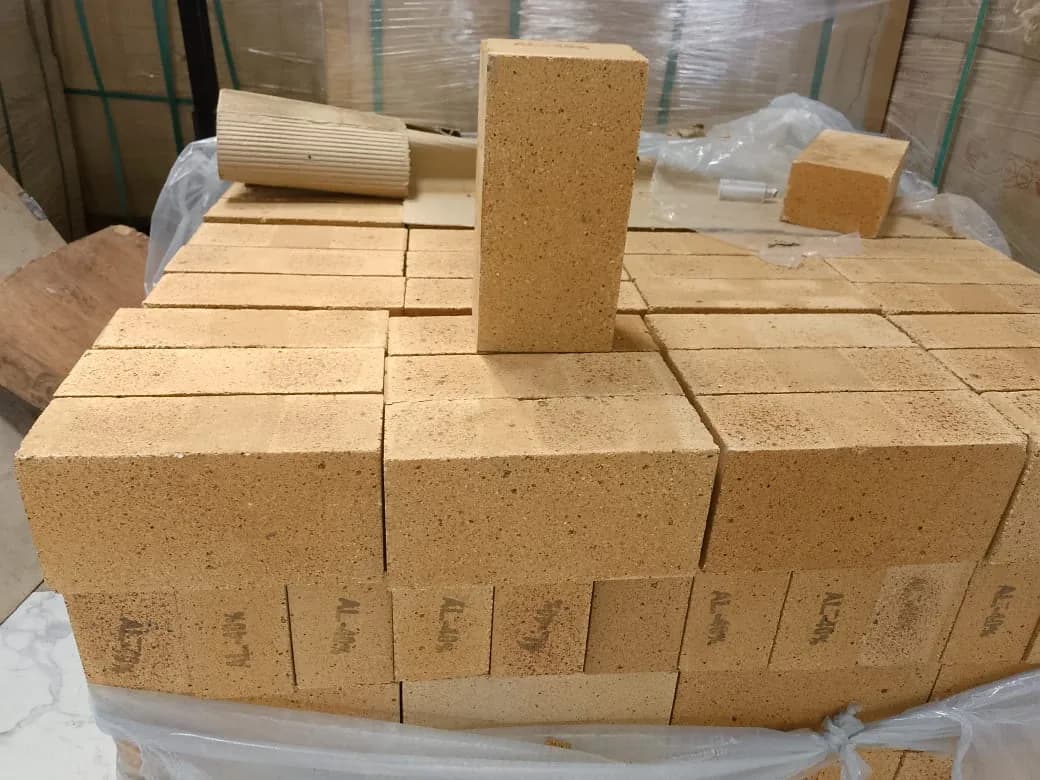
Mortar bonds brick to brick. It is not poured as a lining, and it is not a filler for a large repair. Maxset 50 Fine is our jointing mortar, rated to 1500°C, with a 0.5 mm maximum grain, which is what lets it close a thin joint.
A lining is only as good as its joints. A brick rated to 1800°C bedded in a mortar rated lower fails at the mortar, so check the mortar against the brick you are laying.
Cement: the binder, not the finished mix
Fondu Max-50 is a calcium aluminate cement. It is the binder, combined on site with an aggregate to make refractory concrete; it is not poured on its own as a lining. It sets fast: 20 minutes to the initial set.
It is rated to 1000°C, the lowest in the family. The 1349°C on its data sheet is refractoriness, a laboratory softening point, and not a temperature to run it at.
Insulating castable: behind the hot face
Maxlyte 11 is cast like the dense grades but made on a lightweight aggregate, so it insulates where they conduct. Rated to 1300°C, it goes in the back-up layer, to keep heat off the shell. It does not replace Maxheat A or K at the face.
Vermiculite: poured into a cavity
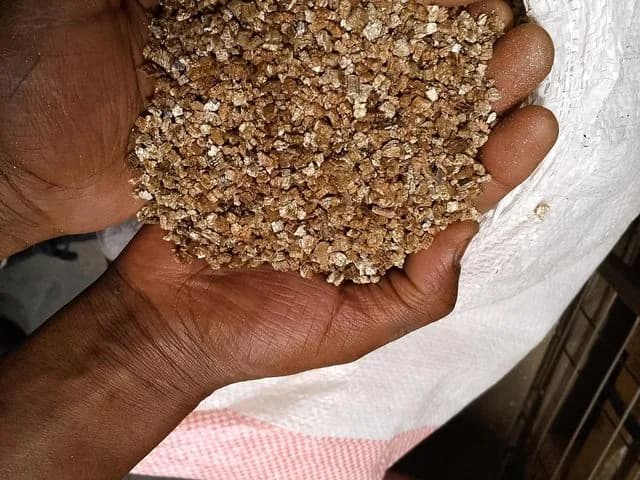
Expanded vermiculite is a loose fill, rated to 1100°C, in fine, medium and coarse grades and 10 kg bags. It is poured into a cavity or around a flue and carries no load. Nothing bonds it.
Read the data sheet, not the name on the bag
The Maxheat A sack is printed Castable 90. That is a grade designation, not a guarantee: the figure the manufacturer warrants is 88% Al₂O₃ minimum, and that is the number to specify against.
The water matters as much as the grade. Maxheat A takes 7.5–8.5% water by weight and Maxheat K 9.5–10.5%. A castable gains its strength from being placed with as little water as will let it flow, and the published figures assume the mix was made inside the band.
Ordinary building cement is not on this list: it is not a refractory product, and none of these is a substitute for it, or it for them.
Which bag for which job
- Casting or repairing a hot face above 1600°C: Maxheat A.
- Casting or repairing a hot face up to 1600°C: Maxheat K.
- A back-up layer behind the hot face: Maxlyte 11.
- Laying and jointing firebrick: Maxset 50 Fine.
- Mixing your own refractory concrete, where a fast set matters: Fondu Max-50.
- Filling a cavity or a flue: expanded vermiculite.
What to send us
Tell us the job rather than the name, and we will quote the right bag.
- What you are building or repairing: furnace, kiln, boiler, oven or incinerator
- The operating temperature at the hot face
- Whether you are casting a shape, laying brick or filling a void
- The volume to cast, or the number of bricks to lay
Send us the duty and we will confirm the specification against the manufacturer's documentation.
Request a quote