For engineers and procurement specifying insulation or refractories
Most refractory and insulation products carry a temperature figure, but not always the same kind of figure. Maxheat A's 1750°C is a maximum service temperature from the maker's data sheet. Ceramic fibre's 1260°C is a classification temperature: makers of 1260-grade fibre publish continuous use of 1100–1180°C. The temperature figure is the single most useful number on the datasheet, and the one most often read wrongly.
The figure is a ceiling the material can work at — not the temperature it is designed to sit at indefinitely, and not a performance target to specify against. Treating it as either is the most common and most expensive specification error made with these materials.
Specify below the rating, not at it
A material held at its maximum service temperature is working at the limit of what it was qualified for. Fibrous refractories in particular change over time at the top of their range — they shrink, and shrinkage opens joints in a lining.
Leave headroom, and check which figure you are reading. A furnace running at 1150°C is close to the continuous-use limit that 1260-grade blanket makers publish, even though 1260 is the bigger number; ask for the continuous-use figure before specifying a hot face near it. How much headroom depends on the duty, the cycling and the atmosphere, which is a conversation rather than a rule of thumb.
The hot face and the back-up see different temperatures
This is why a refractory lining is a system rather than a single product, and why the ratings in our catalogue span 1100°C to 2000°C for materials that often sit in the same wall.
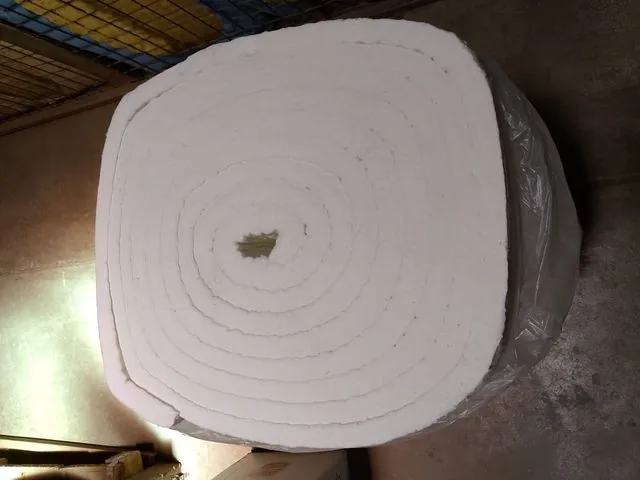
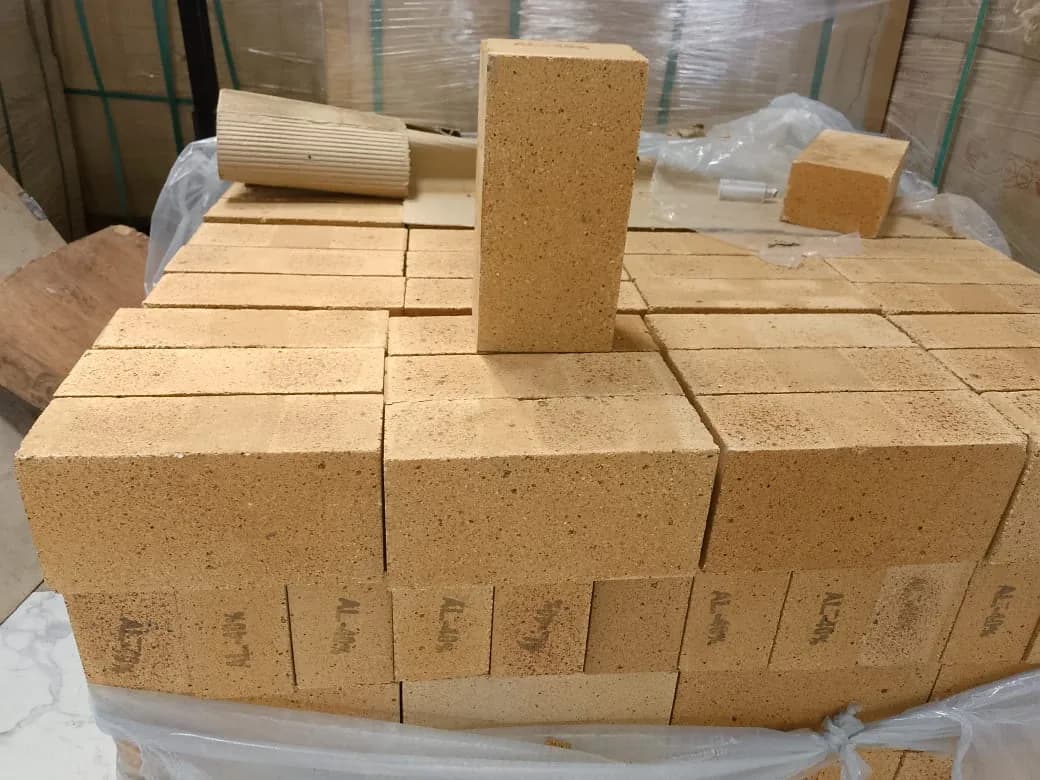
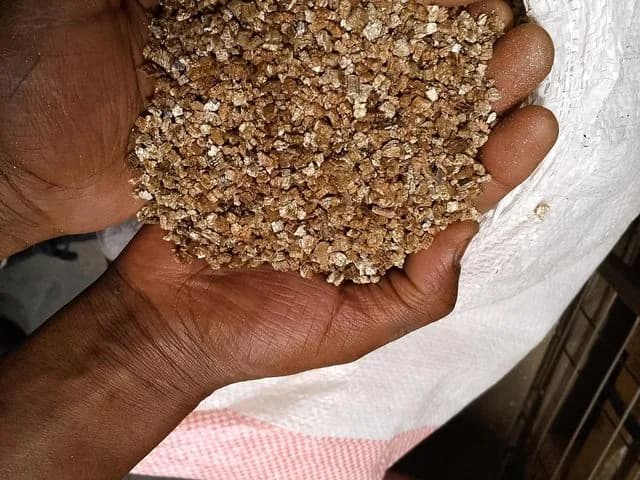
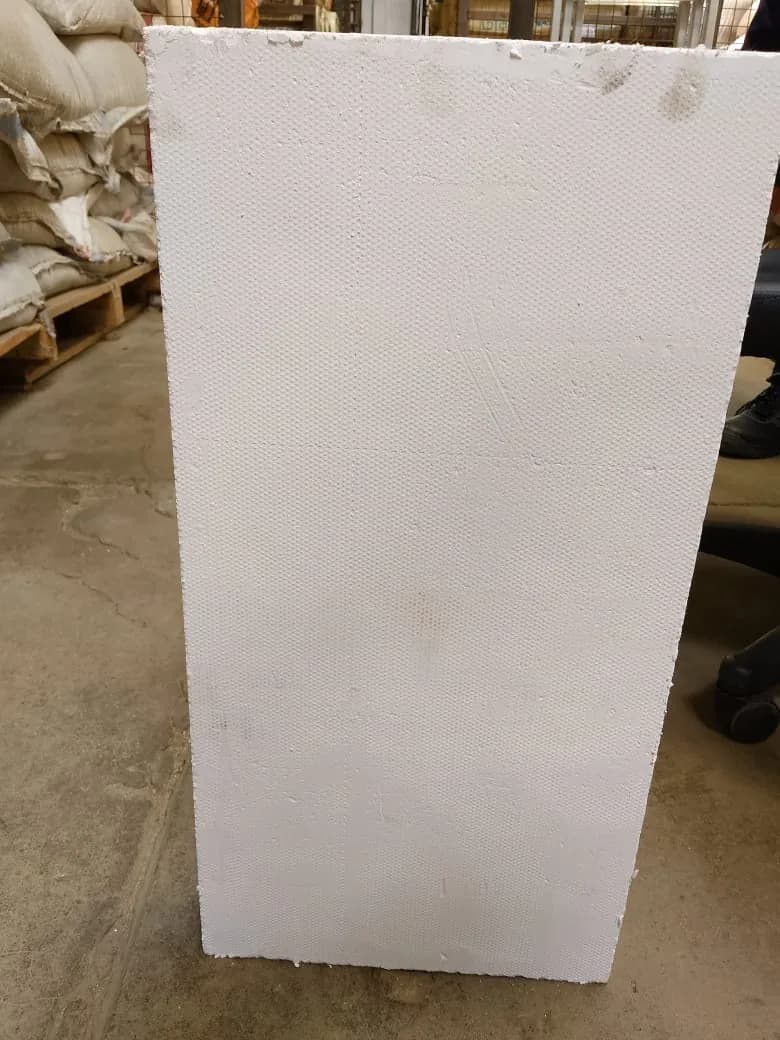
The hot face takes the heat and the chemistry: 40% alumina firebrick at 1600°C, 70% alumina at 1750–1800°C, zirconia at 2000°C, or a dense castable such as Maxheat A at 1750°C. Behind it, the temperature has already dropped, so the back-up layer is chosen to hold heat in rather than resist it — Maxlyte 11 insulating castable at 1300°C, 1260-grade ceramic fibre blanket, calcium silicate board at 1000°C, or expanded vermiculite at 1100°C filling a cavity.
Specifying the hot-face material for the whole wall is wasteful. Specifying the back-up material at the hot face fails.
A range is not a single number
Some ratings are published as a span rather than a point. The Style 20 metallic jointing sheet is listed at 500–650°C, because the figure depends on the form, the thickness and what the material is in contact with.
When a range is published, specify against the lower end unless you know which conditions put you at the top of it.
Some materials have no published rating at all
Polyethylene roof insulation, styrofoam, PE pipe sleeving, packaging foam and gland packing carry no maximum service temperature in our catalogue. That is deliberate — we publish a figure only where the manufacturer states one.
It does not mean the material has no limit. It means the limit is not the property it is specified on: PE sleeving is chosen by wall thickness and bore, gland packing by the medium at the shaft. If temperature matters for your application, tell us and we will confirm against the manufacturer's documentation rather than guess.
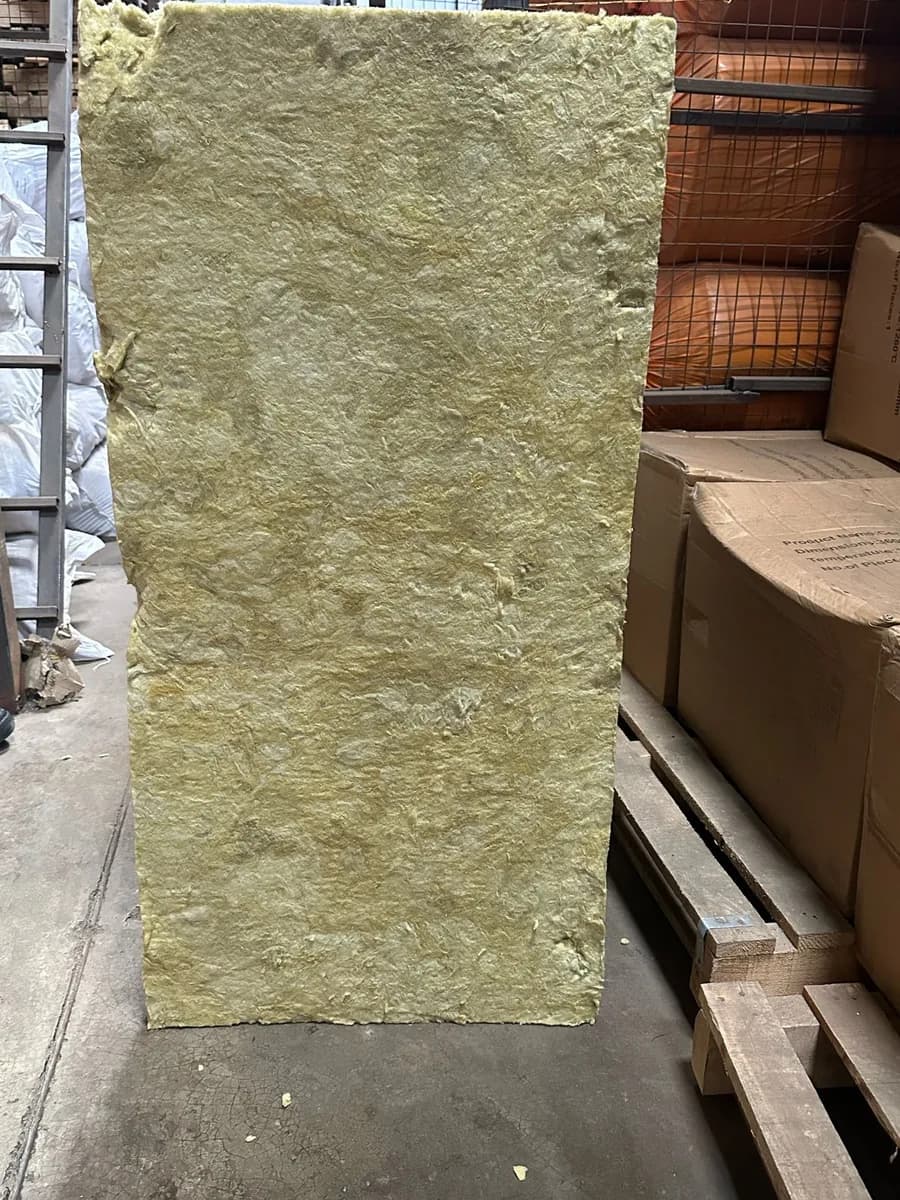
Rockwool is on this list for now, while we wait for the manufacturer's data sheet. It is non-combustible and it is the material for hot work, but until the sheet is in hand we will not print a ceiling for it — tell us what the line or the plant runs at and we will confirm before you order.
What to send us
The operating temperature alone is rarely enough to specify from. What settles it is the duty around that number.
- Normal operating temperature, and the peak it reaches
- Whether it cycles, and how often
- What the material is in contact with — flue gas, steam, slag, oil, air
- Whether it is the hot face or a back-up layer
- The space available, which often decides between brick and fibre
Send us the duty and we will confirm the specification against the manufacturer's documentation.
Request a quote