Anyone lining a furnace, kiln, ladle or boiler and choosing between grades
Refractory brick and castable in this catalogue are specified by their alumina content: 40% and 70% in the bricks, 60% and 88% minimum in the dense castables. The figure is the main thing separating one grade from the next, and it is the main thing people get wrong — in the direction of buying too much of it.
Alumina is what carries the temperature and resists the slag. It is also heavier, more expensive and, in the wrong place, a worse choice than the cheaper grade beside it.
What each step up actually gives you
The published ratings in this catalogue line up in a straight sequence, and the gaps between them are where the money is.
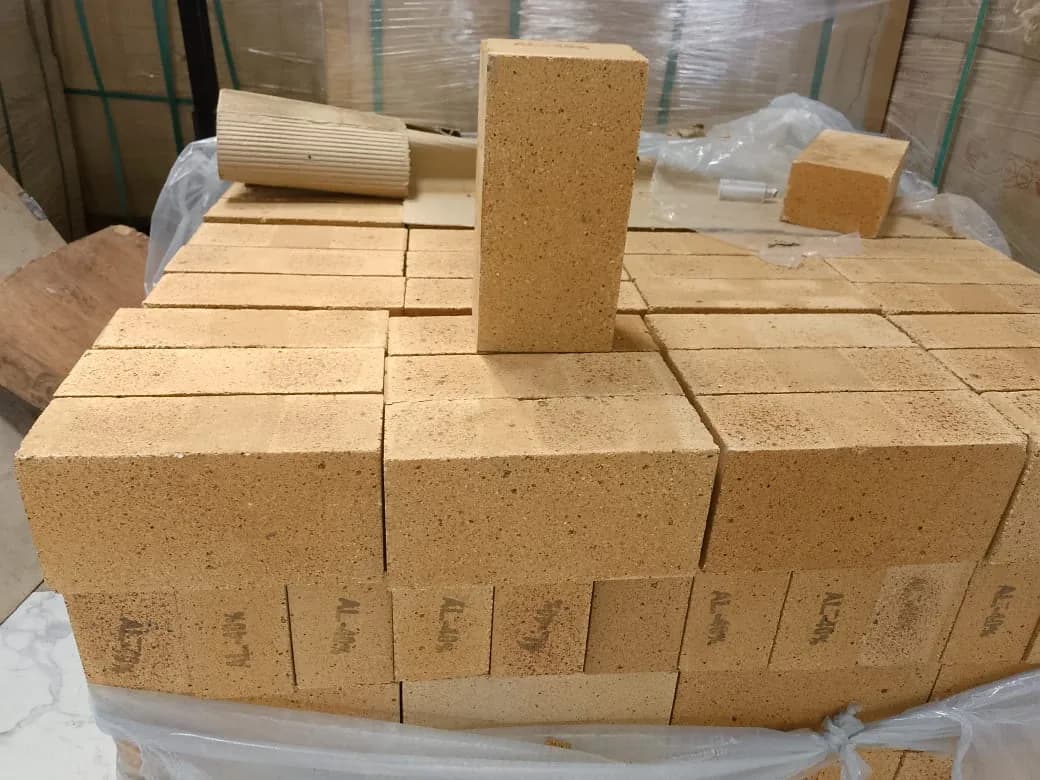
- 40% alumina firebrick — 1600°C. General-duty furnace and kiln work, where the lining is built brick by brick.
- Maxheat K castable — 60% Al₂O₃ minimum, 1600°C. The same ceiling as the 40% brick, in a material you pour instead of lay.
- 70% alumina firebrick — 1750 – 1800°C. The step that buys slag resistance and hot strength, which is what steel furnaces and ladles need.
- Maxheat A castable — 88% Al₂O₃ minimum, 1750°C. Hot-face duty and complex shapes a brick cannot be cut to.
- Zirconia brick — 2000°C. A different material entirely, for where alumina gives out.
Why more is not simply better
A high-alumina lining in a duty that never approaches its rating is money spent on a property you are not using, and it brings a cost beyond the invoice: alumina is dense, so the lining is heavier, and heavier linings take longer to heat and hold more heat when you are trying to cool them down.
The opposite error is the expensive one. Specifying 40% where slag is present does not fail gradually — the slag attacks the brick and the lining goes early.
The part the percentage says nothing about
Two things decide a refractory specification that the alumina figure does not touch at all.
- Whether the lining is built or cast. A brick needs shapes — standard, arch, split — and a castable needs formwork, an anchor system and a cure. That is a decision about the job, not about the material.
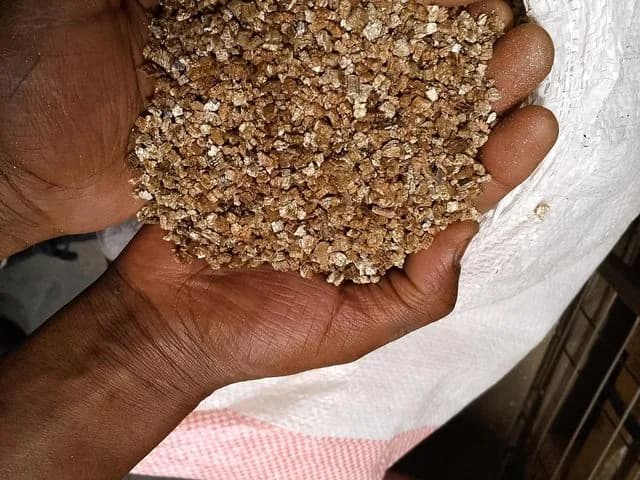
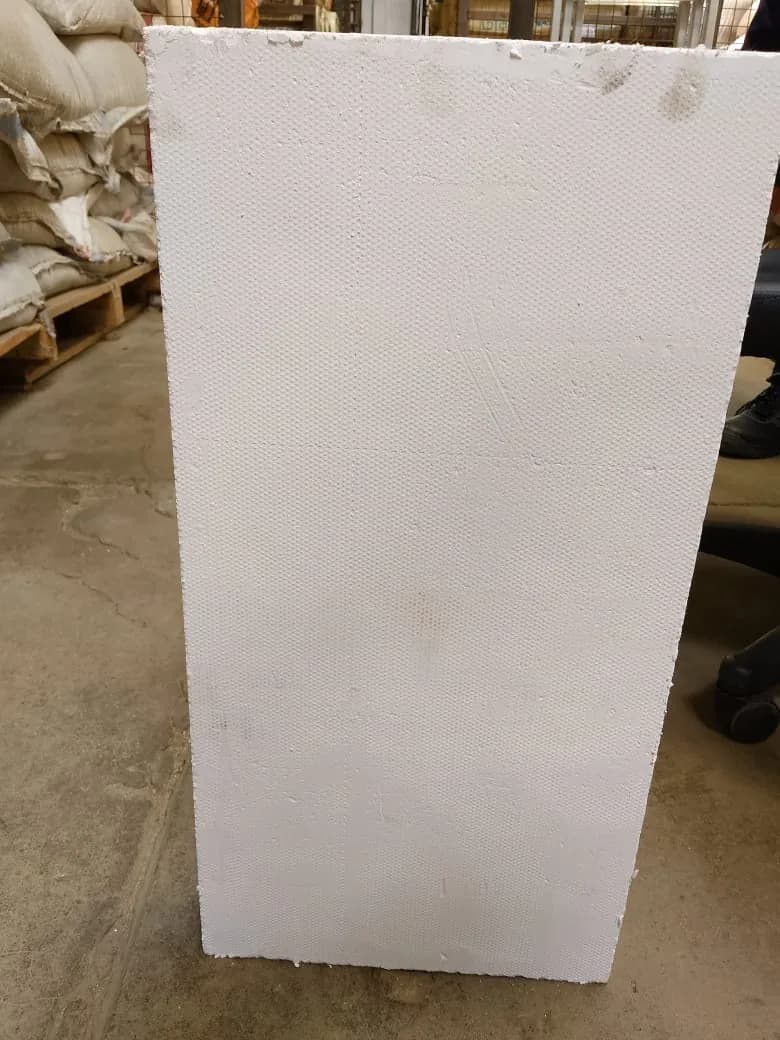
- What sits behind the hot face. Insulating firebrick at about 2 kg a brick, expanded vermiculite rated to 1100°C and Maxlyte 11 at 1300°C are all back-up materials. Their job is to stop heat reaching the shell, and specifying a hot-face grade for that layer wastes it.
A note on how the figure is printed
Maxheat A is marked "Castable 90" on the sack. That is a designation, not a guarantee. The figure the manufacturer's own data sheet commits to is 88% Al₂O₃ minimum, and that is the figure published on its page here.
It is worth checking any refractory the same way. The number on the bag and the number in the data sheet are not always the same number, and it is the data sheet you can hold someone to.
Send us the duty and we will confirm the specification against the manufacturer's documentation.
Request a quote