Kisaju, Kajiado CountyMon – Sat, 8 AM – 5 PM

Fiberglass Insulation Batts 32 kg/m³ Pre-Cut Slabs

  • 32 kg/m³
  • 1200 × 600mm
  • Pre-cut

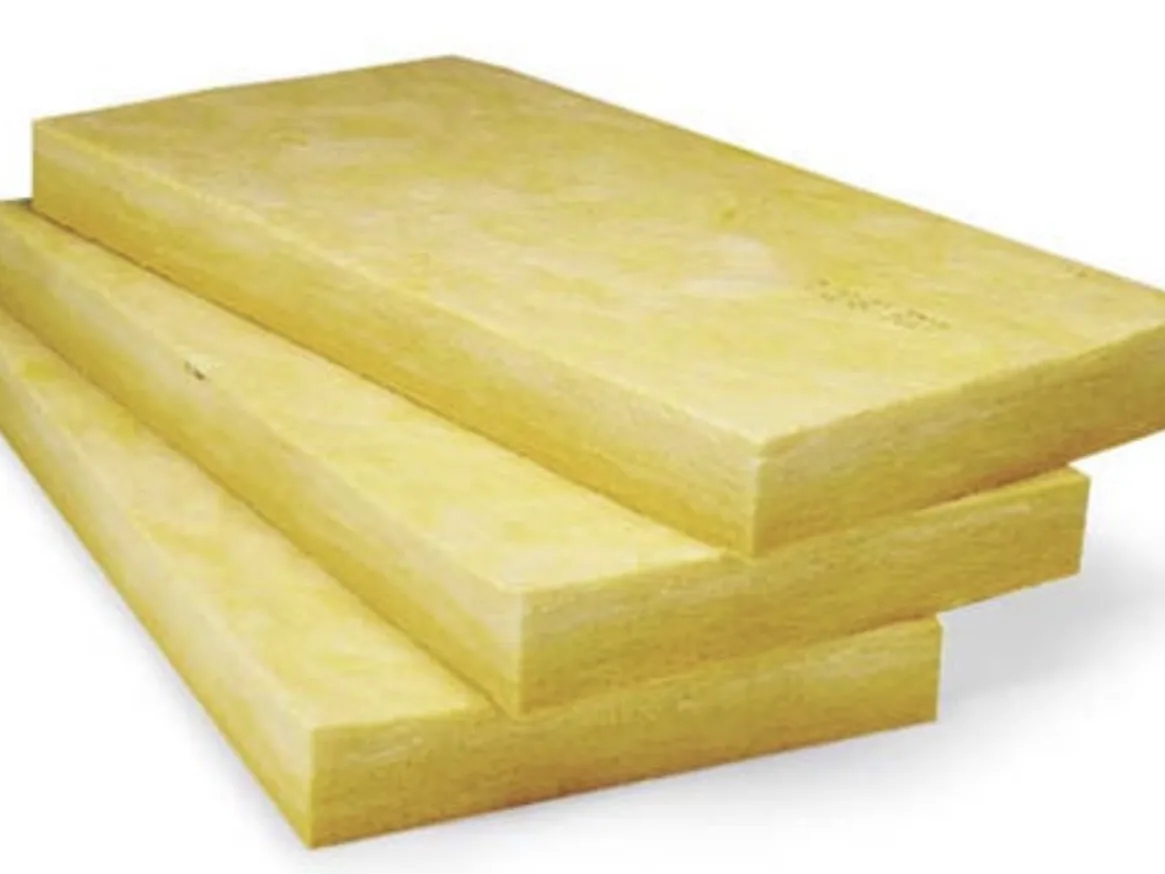
Batts are denser than the rolls — 32 kg/m³ against 24 — and they arrive pre-cut to 1200 × 600mm, which is the size that drops between studs and joists without being measured and trimmed on site.

The density is the reason to choose them beyond convenience: the same slab works as acoustic lining for offices and halls, where a lighter roll does less. For long runs over a roof or a duct, the 24 kg/m³ rolls cover area for less.

Request a QuoteAsk on WhatsApp

Prices are quoted, not published. What the price of fiberglass insulation depends on, and what to send us.

Used for

  • Stud walls and partitions
  • Acoustic lining for offices and halls
  • Roof and ceiling insulation

Request the technical data sheet for Fiberglass Insulation Batts — 32 kg/m³ Pre-Cut Slabs.

Three stacked glasswool slabs
Density
32 kg/m³
Size
1200 × 600mm
Thickness
50mm and 100mm
Max service temperature
Not published — ask us to confirm

Sizes stocked

2 sizes on the stock list. Ask for anything not listed and we will quote to your specification.

Working out quantities? Use our insulation coverage calculator to see how many of these sizes cover your area.

  • Fiberglass/Glasswool Insulation Slabs/Blocks/Batts 1200mm × 600mm × 50mm
  • Fiberglass/Glasswool Insulation Slabs/Blocks/Batts 1200mm × 600mm × 100mm

About Fiberglass Insulation Batts — 32 kg/m³ Pre-Cut Slabs

Pre-cut, and that is the point

Batts are 1200 × 600mm, cut to drop between studs and joists without being measured and trimmed on site. Check your stud or joist centres before you order: a batt that fits the spacing goes in by friction, a batt that does not gets cut and leaves gaps at the edges.

At 32 kg/m³ they are denser than the rolls at 24, which is what lets a batt stand in a stud bay without slumping and gives the acoustic lining work it is sold for.

No facing is listed for the batts

The rolls in this family carry an aluminium foil facing. The batts, on what is published, do not. Glasswool on its own is open to vapour, so where a wall or ceiling needs vapour control, the batts need a separate layer to provide it — FSK facing or a membrane — rather than being relied on for it.

What is not published here

  • Thermal conductivity and acoustic absorption coefficients.
  • Fire classification.
  • Whether a faced batt is available — ask if you need one.

Questions we get asked

Batts or rolls?
Batts for framed walls and ceilings where the spacing is regular and you want no cutting; rolls for open roof areas and long duct runs where a continuous length goes on faster.
Are they for acoustic work?
They are sold for acoustic lining as well as thermal, and the extra density over the rolls helps. Bear in mind that in a wall most of the sound reduction comes from the construction and from sealing the gaps — the wool fills the cavity, it does not soundproof a wall on its own.

Glasswool forms: which one?

GradeDensityChoose it for
Fiberglass Insulation Rolls24 kg/m³Large continuous areas — roofs, ceilings and duct wrap — where a vapour barrier is wanted and the run is long.
Fiberglass Insulation Batts32 kg/m³Stud walls, partitions and ceilings, and acoustic lining where the extra density earns its cost.

Send us your material list

A specification, a BOQ or a photo of the label on the old stock is enough to start. We reply with an itemised quotation.

Or call or WhatsApp 0722 293 517