For HVAC contractors, plant engineers and cold-store builders
Buyers often ask for “pipe insulation” as though it were one product. It is two, and the materials are close to opposites, because the thing you are defending against is different in each case.
On a hot line the enemy is heat loss, and secondarily fire. On a chilled line the enemy is condensation. A material that excels at one can fail quickly at the other.
Hot lines: keep the heat in, and do not burn
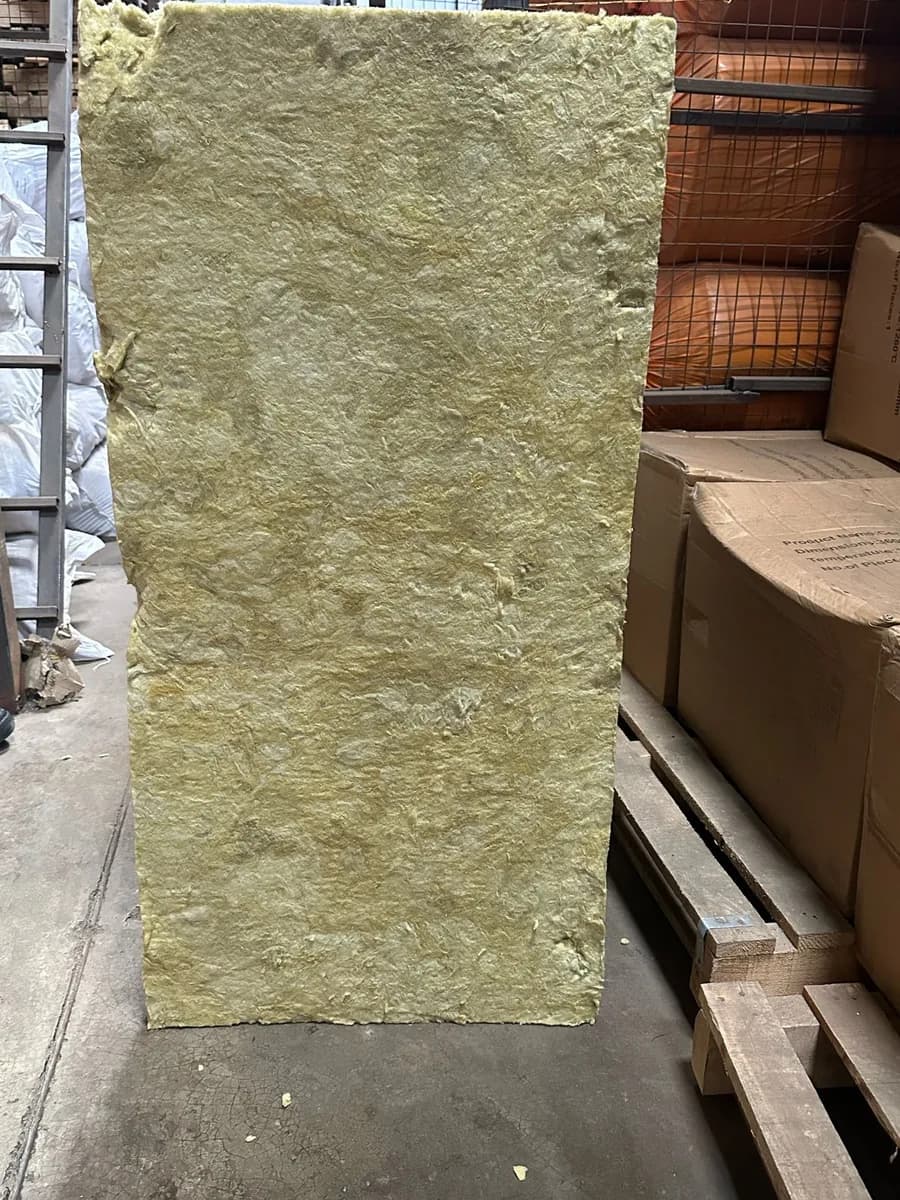
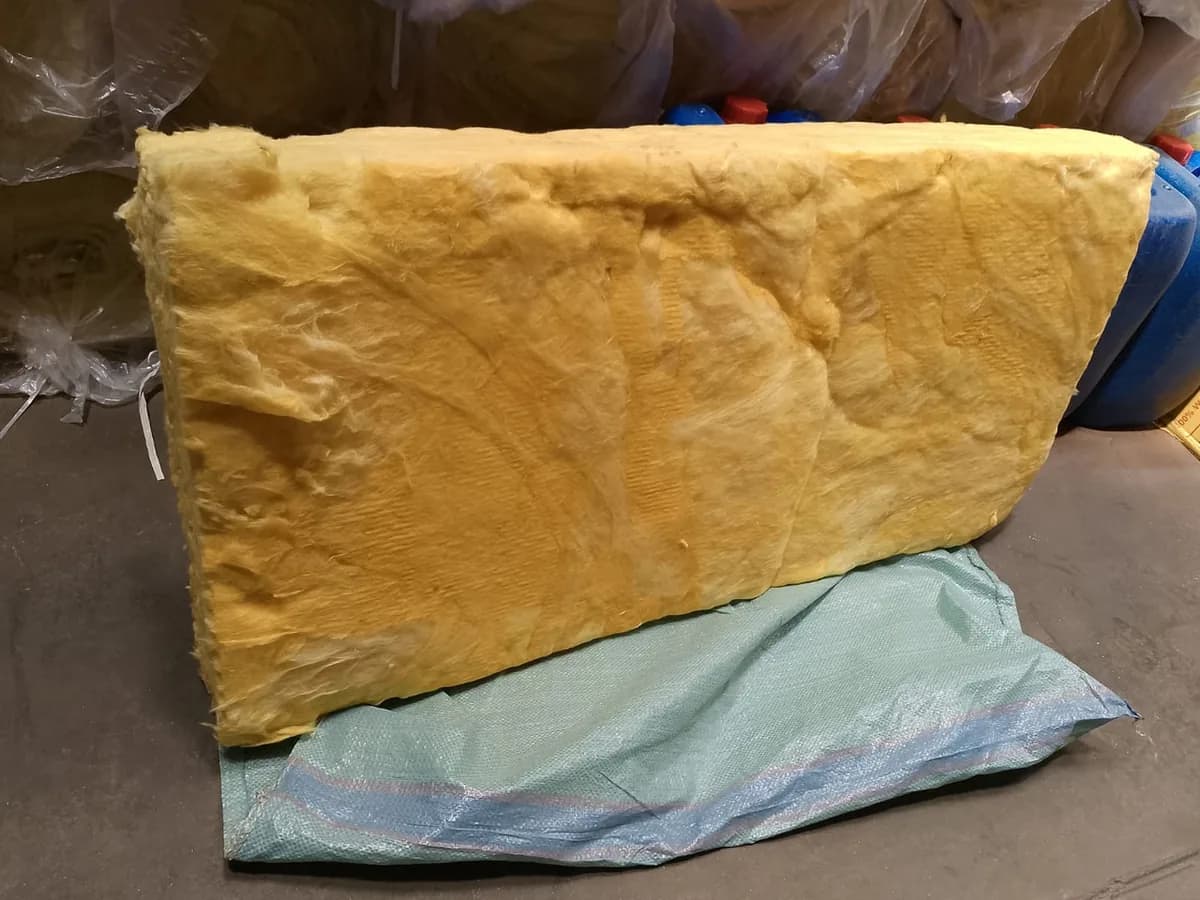
Steam, hot water and process lines are lagged with mineral wool. Our rockwool is non-combustible and supplied in rolls, slabs and preformed pipe sections at 50–150 kg/m³; fiberglass covers lighter duty at building temperatures.
Both are non-combustible mineral materials, which is why they are specified where fire performance matters as well as heat retention. Where the line is hotter than mineral wool will take, you are into refractory territory — 1260-grade ceramic fibre — and the job has changed from lagging to lining.
Cold lines: keep the moisture out
Chilled water, refrigeration and cold-room pipework is a different problem. The pipe is colder than the air around it, so moisture in that air condenses on any surface at or below the dew point.
If the insulation absorbs that condensate, it stops insulating and starts corroding the pipe underneath it. This is why open-cell fibrous insulation is the wrong choice on cold work, however good its thermal figures look.
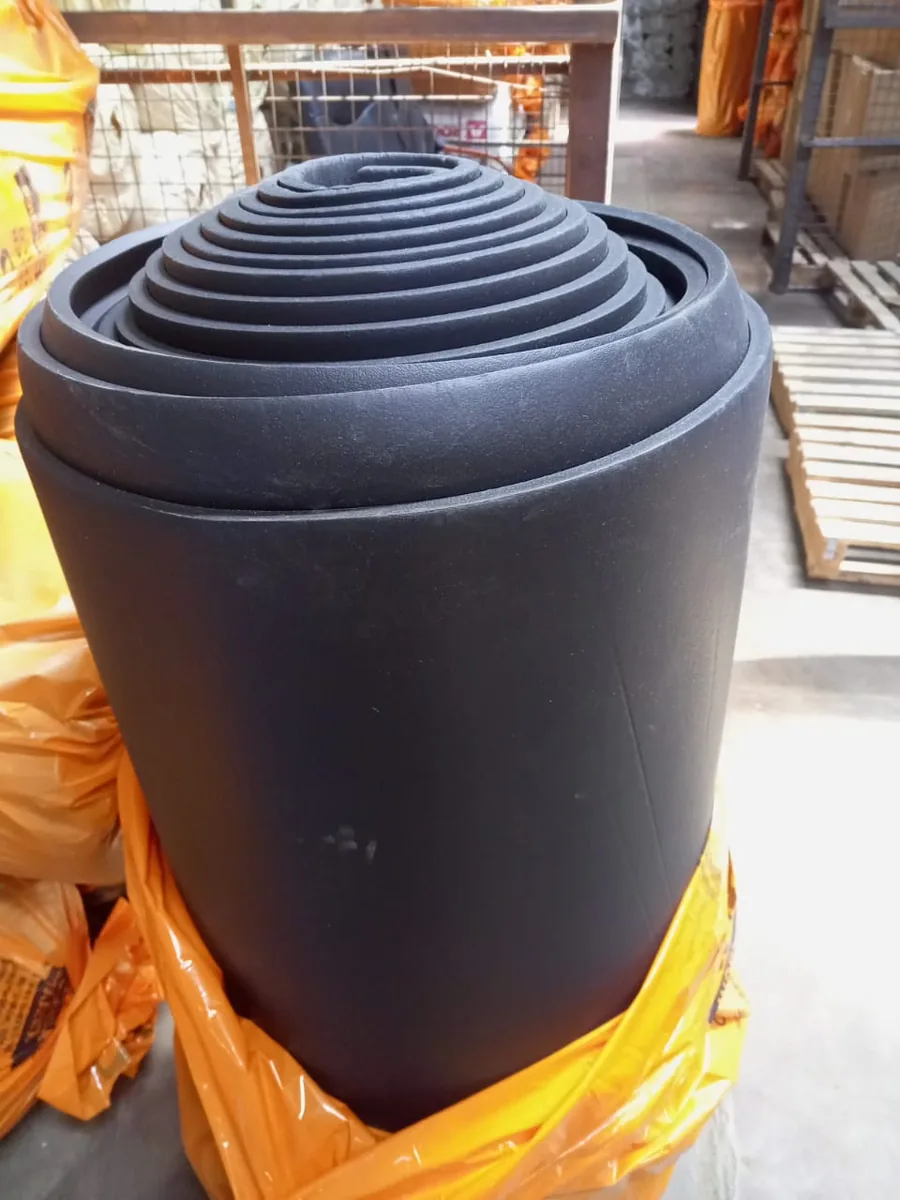
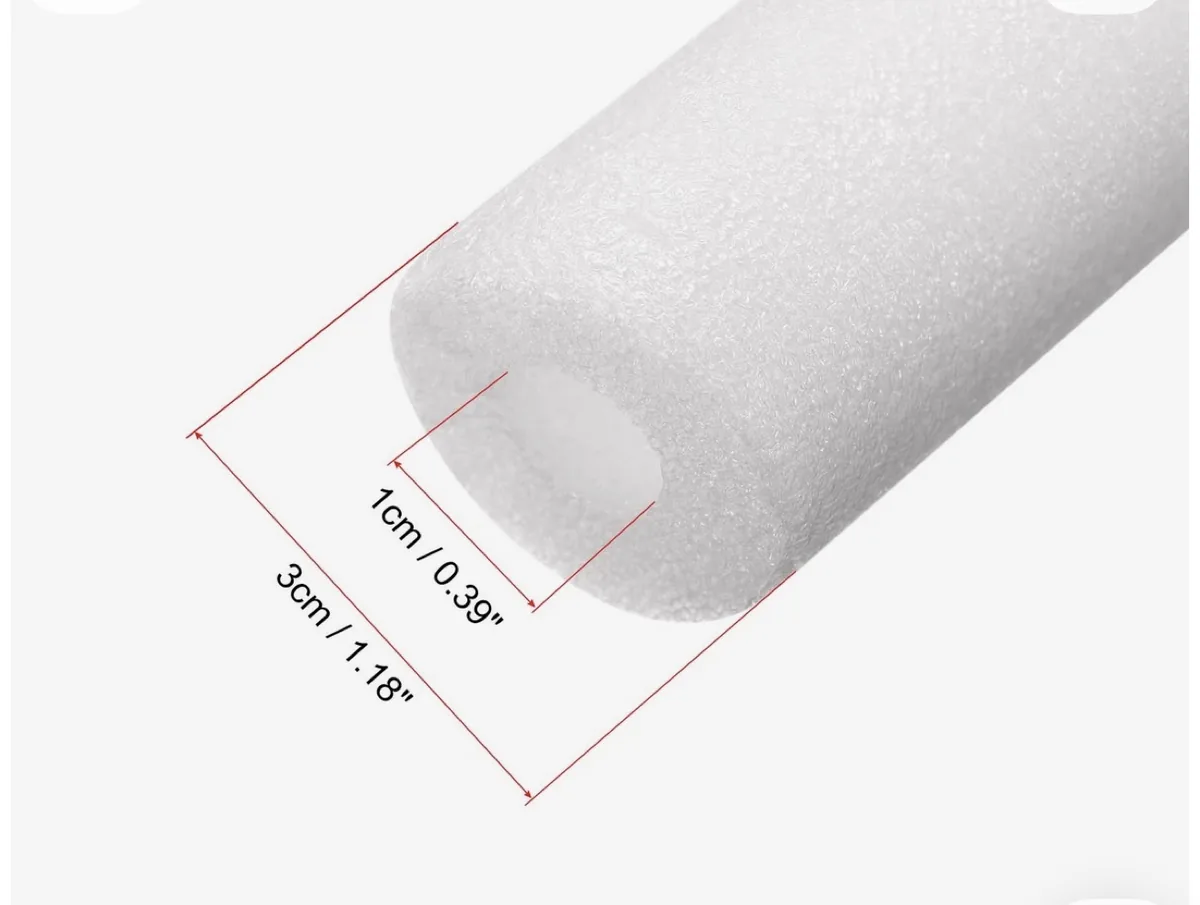
Elastomeric foam is the answer. Our Armaflex is closed-cell, so it resists moisture ingress rather than soaking it up. Polyethylene pipe sleeving, in 9.5mm, 13mm and 19mm wall thicknesses, covers lighter domestic and services work.
The failure looks like bad insulation; it is usually a bad seal
On cold work, the joints matter as much as the material. Vapour does not need a gap to get through — an unsealed butt joint or a taped seam that has lifted is enough, and the insulation then wets from the inside where nobody sees it.
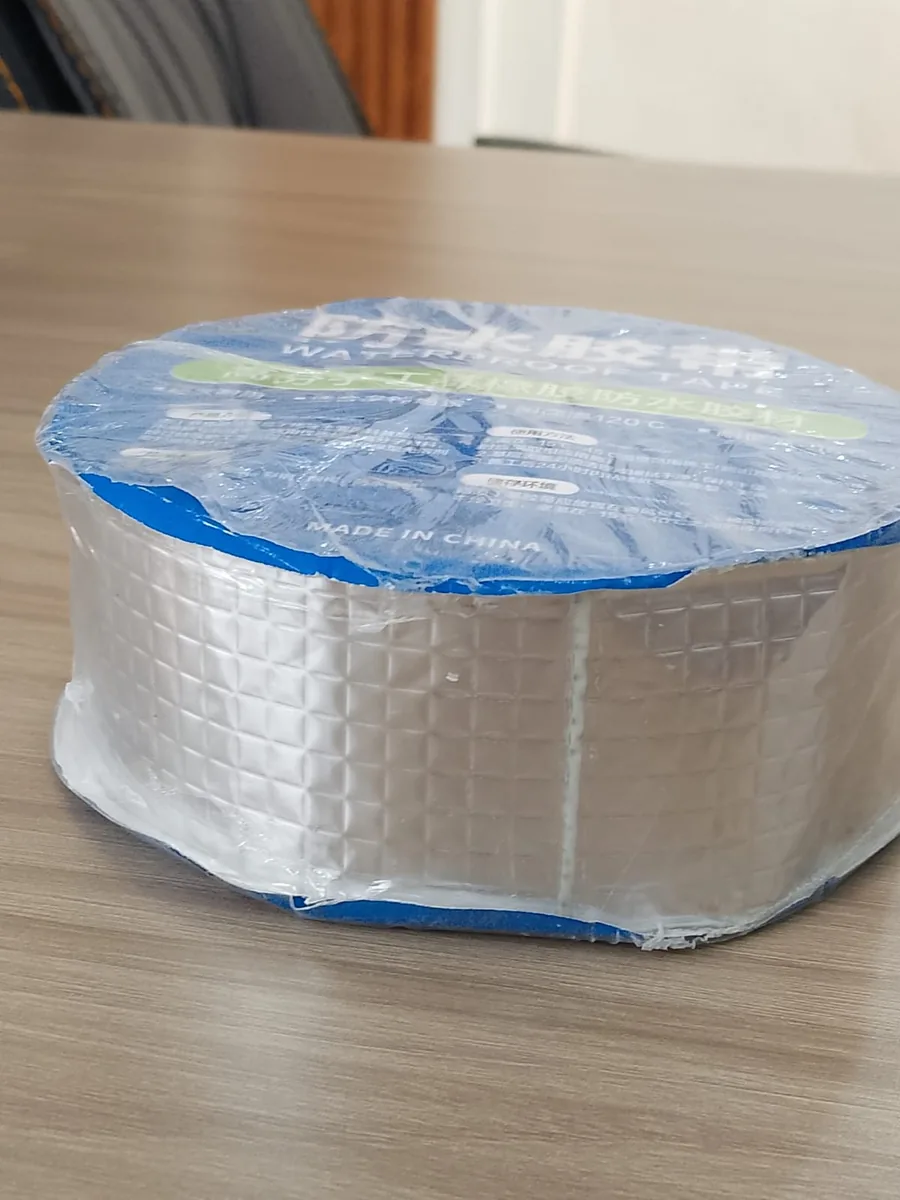
Aluminium thermal tape closes seams on foil-faced work and duct runs; butyl sealing tape bonds to metal, concrete and glass even slightly damp. Armaflex is also supplied self-adhesive and with its own thermal tape, which is there for exactly this reason.
A quick way to decide
If you can answer these three, the material almost picks itself.
- Is the line hotter or colder than the air around it?
- What is the operating temperature, and does it cycle?
- Is fire performance part of the specification?
Where both appear in one building
A cold store with a boiler room needs both, and they are not interchangeable even though they come on the same order. Specify them separately, and say which lines are which when you send us the schedule — it is the fastest way to a quotation that is right first time.
Send us the duty and we will confirm the specification against the manufacturer's documentation.
Request a quote