For contractors, plant engineers and procurement choosing a fibrous insulation
Rockwool, glass wool and ceramic fibre are all spun fibre, all arrive as a roll, a slab or a blanket, and all get called wool. On a requisition they are easy to confuse.
They are three different materials, bought for three different temperature ranges. Using one where another belongs either fails or wastes money.
Glass wool: buildings, ducts and moderate temperatures
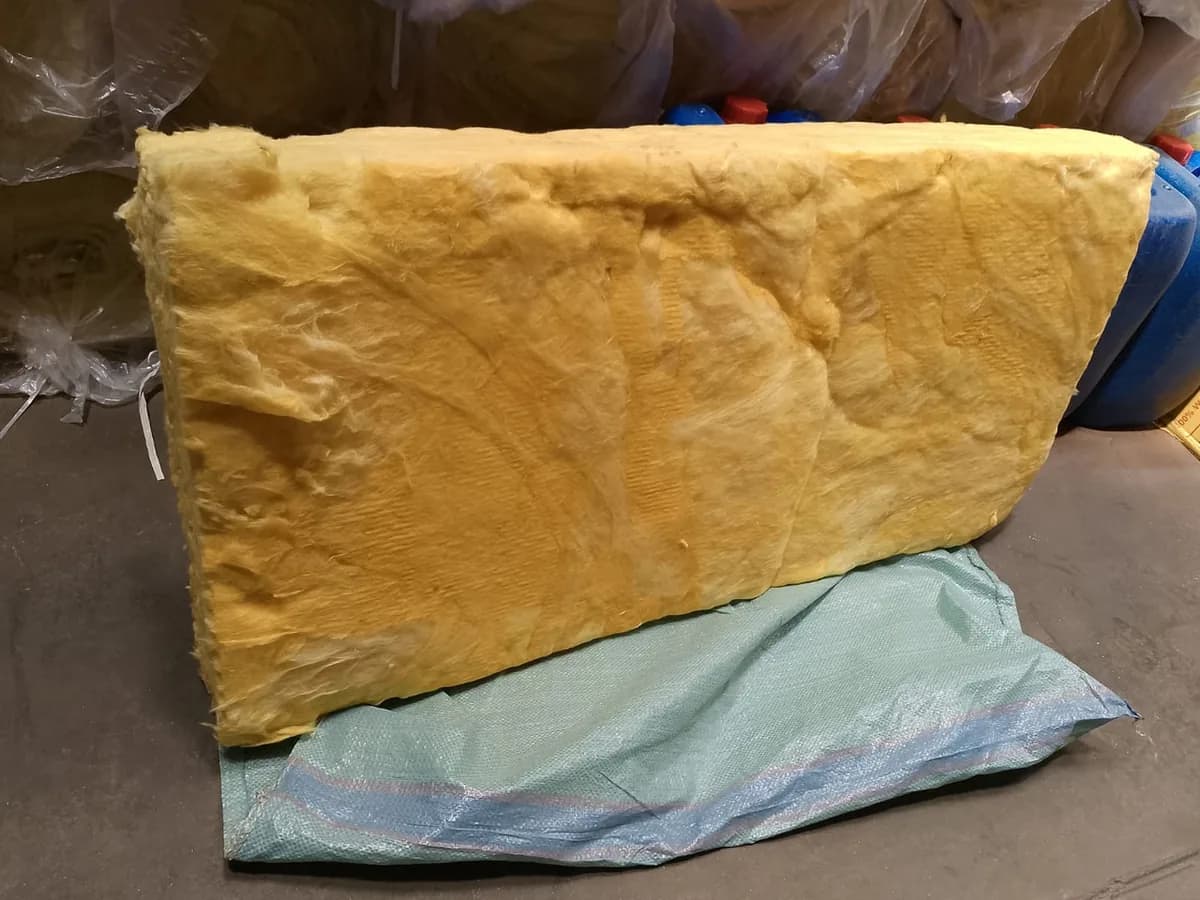
Glass wool, also sold as fiberglass or glasswool insulation, is spun from glass. It is the lightest of the three, at 24 kg/m³ in rolls and 32 kg/m³ in batts, and the lowest cost per square metre we stock.
It is non-combustible, and no service temperature is published for our rolls and batts. That makes it the material for roofs and ceilings, duct wrap, stud walls and partitions. Rolls come foil-faced, which adds a vapour barrier and a radiant reflector.
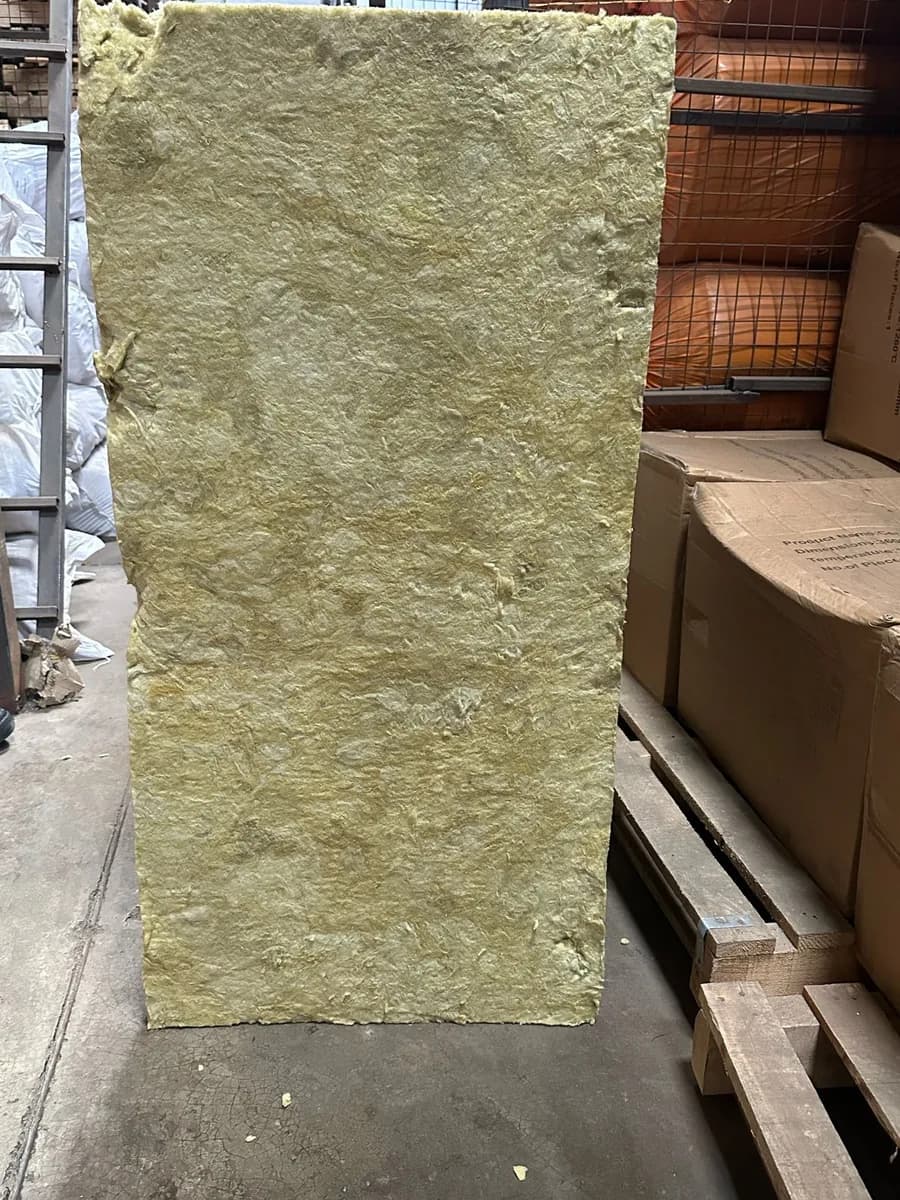
Rockwool: hot pipework, plant and fire duty
Rockwool is spun from molten basalt. It does three things at once: it insulates, it absorbs sound and it does not burn. It also comes denser than glass wool: 50 kg/m³ in slabs, 100 kg/m³ in rolls and 150 kg/m³ in preformed pipe sections.
The forms follow the job. Rolls with wire mesh hold their shape on tanks, ducts and hot pipework. Rigid slabs go into walls, roofs and equipment. Preformed sections lag pipe from ½ inch to 6 inch bore without cutting.
We do not print a maximum service temperature for rockwool until we hold the manufacturer's data sheet. It is the material for hot work, but tell us what the line or the plant runs at and we will confirm before you order.
Ceramic fibre: furnaces and kilns
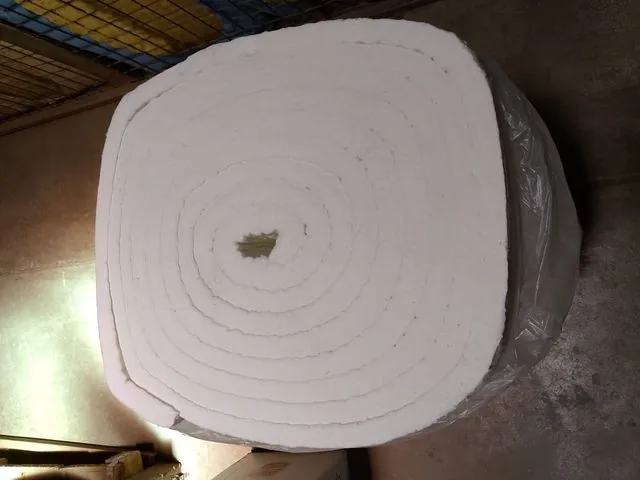
Ceramic fibre is spun from high-purity alumina-silica and needled into a 1260-grade blanket: 1260°C is its classification temperature, and makers publish continuous use of 1100–1180°C. That is furnace territory: linings in furnaces, kilns, boilers and ovens, and back-up insulation behind refractory brick.
It is also stocked as rigid 1260-grade board, and as rope, tape and cloth for sealing doors and joints. It is not a building insulation, and nothing is gained by using it where glass wool or rockwool would do.
Choose by temperature first
A fibrous insulation is specified by the hottest temperature it will see, with headroom. Pick the lowest-rated material that comfortably clears your operating temperature.
- Roofs, ceilings, partitions and ducts: glass wool.
- Steam and process pipework, tanks, boilers and ducts: rockwool. Ask us to confirm the rating for your temperature.
- Furnaces and kilns: ceramic fibre, 1260 grade.
Then by the job
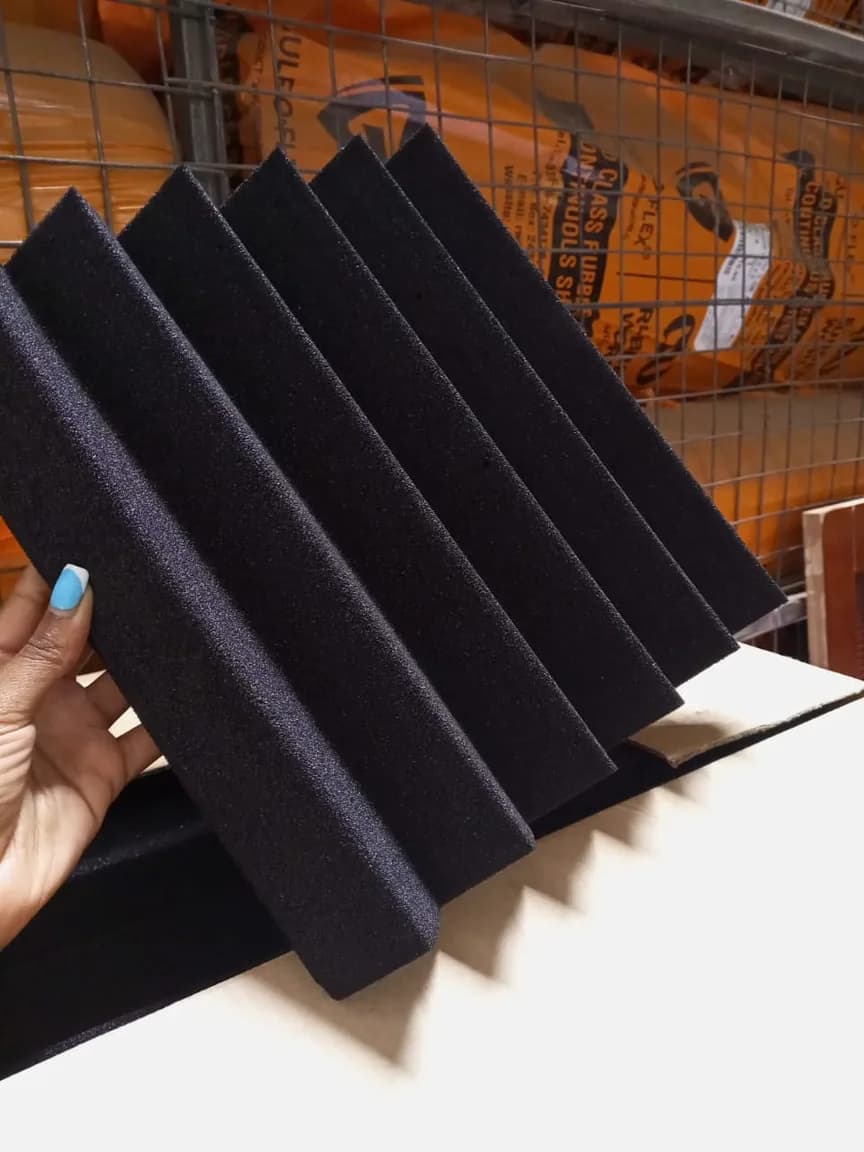
Sound. Rockwool and glass wool both absorb sound, and the Knauf acoustic roll is the glasswool made for partitions and ceilings. Ceramic fibre is not bought for acoustics.
Cold surfaces. All three are fibrous and open, so on a cold pipe or duct they need an unbroken vapour barrier. For chilled lines a closed-cell material such as Armaflex is the usual answer.
Shape. Pipe gets preformed rockwool sections sized to the bore. Large areas get rolls. Walls and panels get slabs or batts.
Handling all three
Cut fibre with a knife rather than a saw where you can, and wear gloves, long sleeves and a dust mask. The maker's data sheet gives the full advice for each product.
What to send us
- What you are insulating: roof, partition, duct, pipe, tank, boiler or furnace
- The operating temperature, and the peak it reaches
- Pipe bores, or the area to cover
- Whether sound, fire or condensation is part of the job
Send us the duty and we will confirm the specification against the manufacturer's documentation.
Request a quote