Anyone comparing two insulation quotations with different densities on them
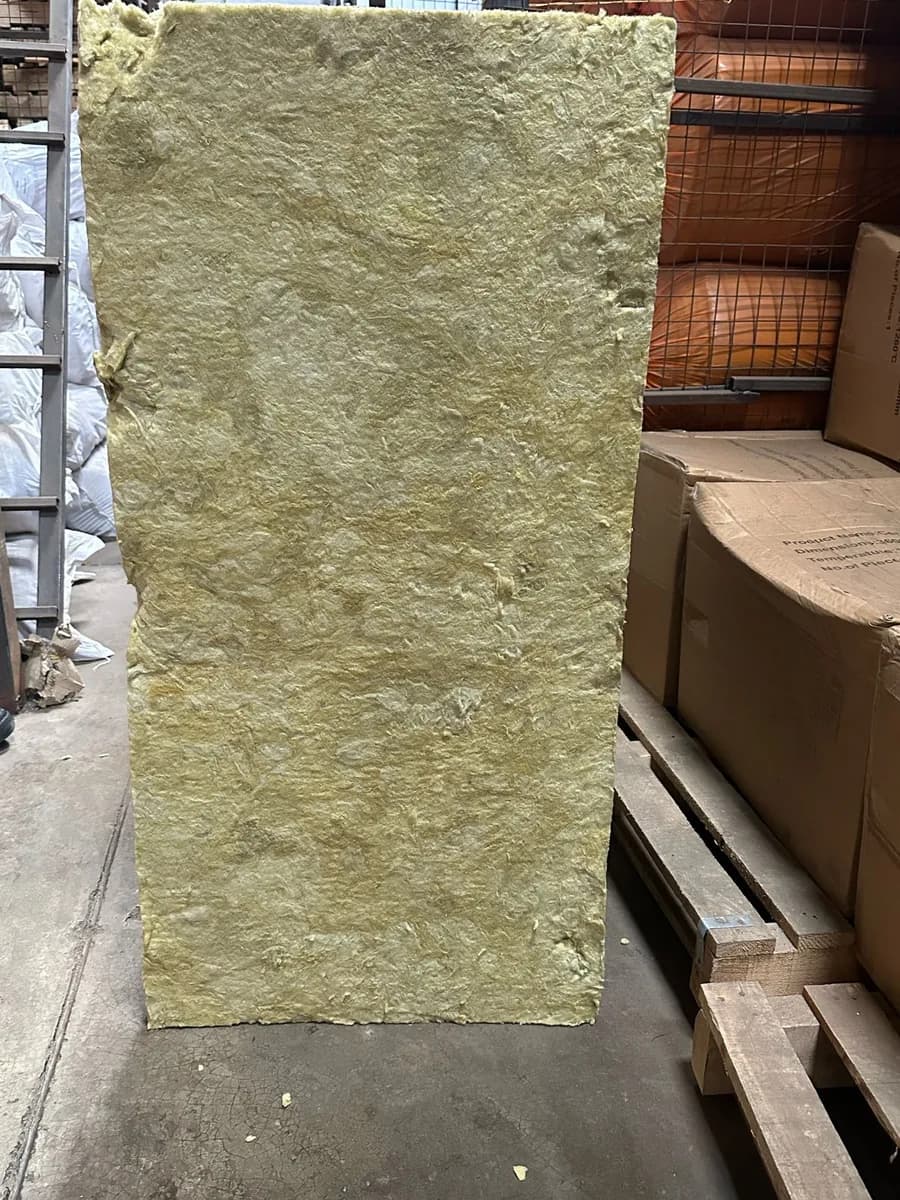
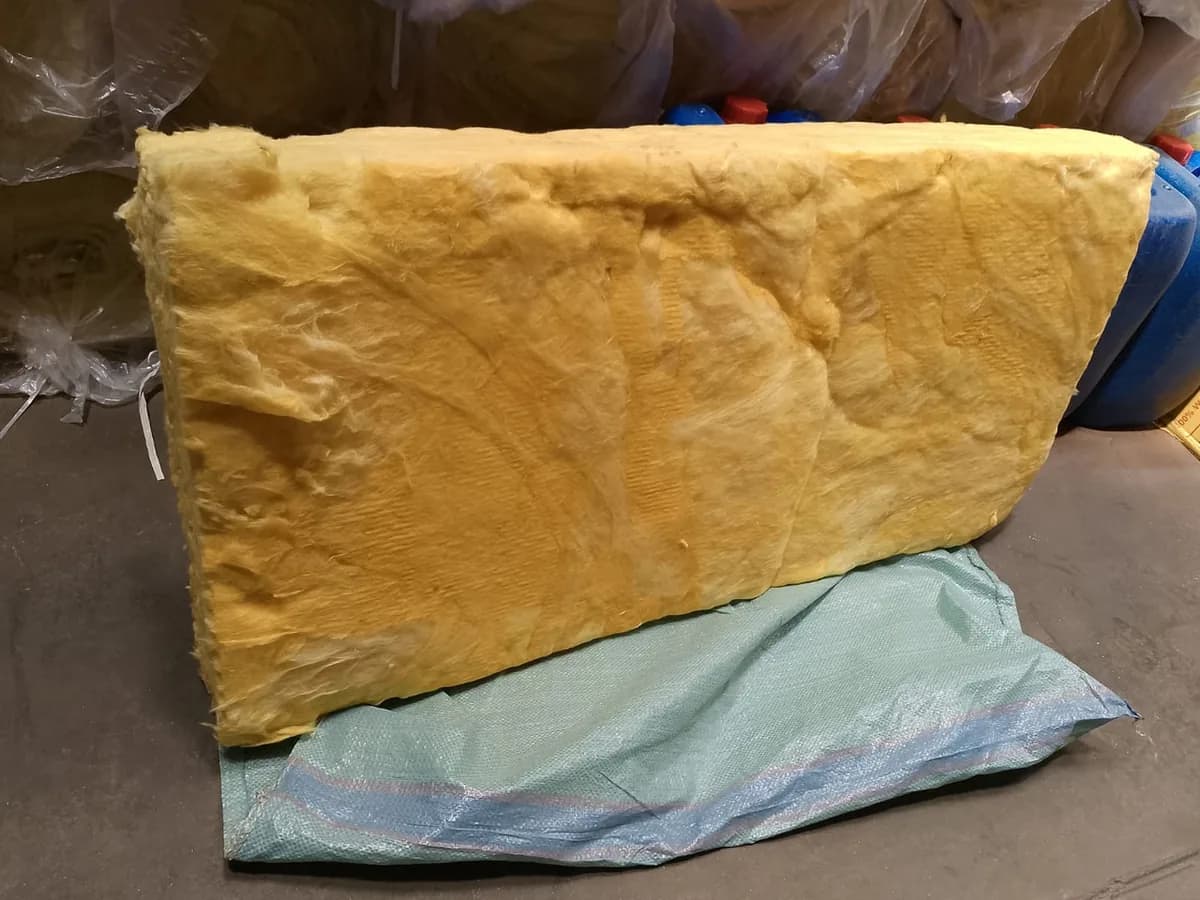
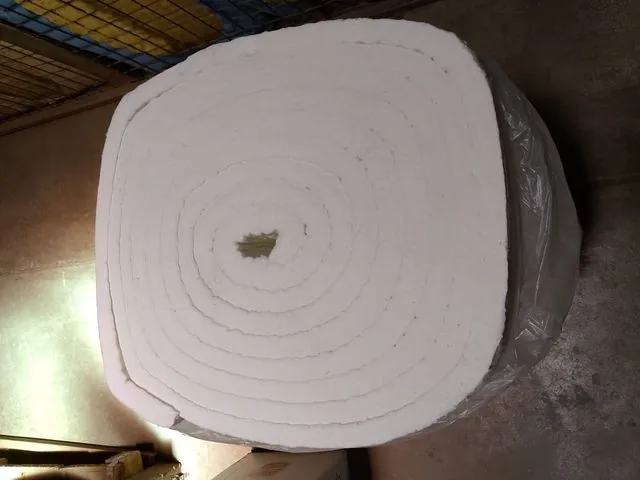
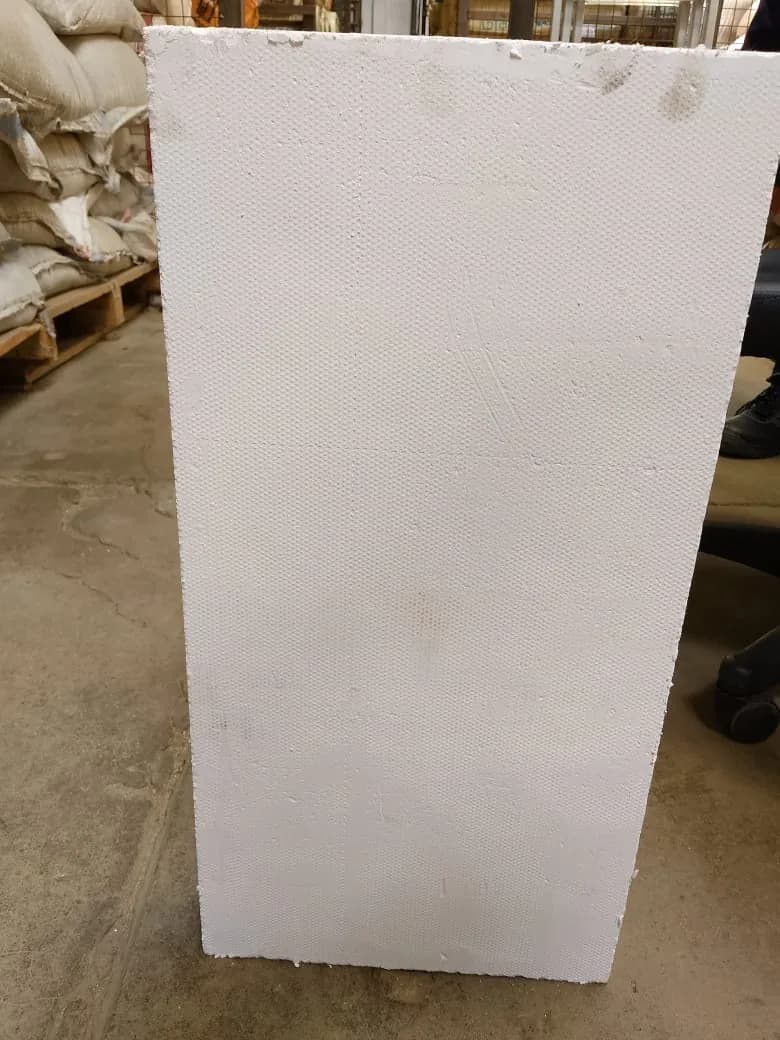
Insulation in this catalogue is specified by density more often than by anything else. Rockwool runs from 50 to 150 kg/m³, glasswool at 24 and 32, ceramic fibre blanket sits at 128 and the rigid boards at 230 and 320. A buyer comparing two quotations sees those numbers side by side and reads the larger one as better.
It is the wrong reading, and it is an expensive one in both directions — paying for 150 kg/m³ where 50 would do, or specifying 50 where the material has to carry something.
Density describes the form, not the performance
All mineral wool insulates the same way: by holding still air in a fibre matrix. More fibre per cubic metre means less air, so past a point a denser product is not a better insulator at all — it is a stiffer one.
What the density figure actually predicts is what shape the material holds and what it will take. That is why the same material appears at three densities in one family.
- Rockwool pipe sections, 150 kg/m³ — dense enough to be moulded to a bore and stay there without support.
- Rockwool rolls and blanket, 100 kg/m³ — flexible enough to wrap a tank or a duct, firm enough not to slump.
- Rockwool slabs, 50 kg/m³ — the lightest of the three, for flat work where nothing has to be held in shape.
The same logic across the other families
Glasswool runs lighter than rockwool throughout — 24 kg/m³ in the glasswool rolls, 32 in the pre-cut batts. That is not glasswool being a worse insulator than rockwool; it is a different fibre at a different bulk, for building temperatures, where rockwool is the material for hotter work.
At the top of the range the figures stop describing blankets at all. Ceramic fibre blanket is 128 kg/m³ and a 1260 grade. Calcium silicate board is 230 kg/m³ and ceramic fibre board 320 kg/m³ — both rigid, both load-bearing in a way no blanket is, and the density is telling you so.
What to compare instead
Three things decide an insulation specification, and density is a consequence of them rather than one of them.
- The temperature it will see. This is the figure that rules a product in or out, and it is published on every page in this catalogue.
- The shape it has to take — a bore, a curve, a flat wall, a gap.
- Whether anything stands, sits or walks on it once installed.
Where the figure is genuinely a quality signal
One case where a higher density does mean more material doing more work: the mesh-faced blankets. The Rockwool Rolls & Blanket page carries both 100 kg/m³ and a denser 120 kg/m³ mesh-faced line, and there the extra density is holding the blanket against curved plant rather than letting it sag off.
If a quotation gives you a density and no temperature rating, that is the question to ask back. A density on its own does not tell you whether the material survives the duty.
Send us the duty and we will confirm the specification against the manufacturer's documentation.
Request a quote