Anyone specifying a foil-faced insulation, a roof underlay or a duct wrap
Foil turns up across four families here: both PE roof rolls, the FSK facing and its tape, the foil-faced Armaflex sheet and the foil-faced glasswool blanket. On a quotation it reads as one feature. It is two.
Foil reflects radiant heat, and foil stops water vapour. Those are different jobs with different rules, and a foil installed for one of them is often doing nothing for the other.
Job one: turning radiant heat back
Under a metal roof most of the heat arriving is radiant — the sheets get hot in the sun and radiate it downwards. Polished foil reflects most of that back, which is why a roof underlay carries it.
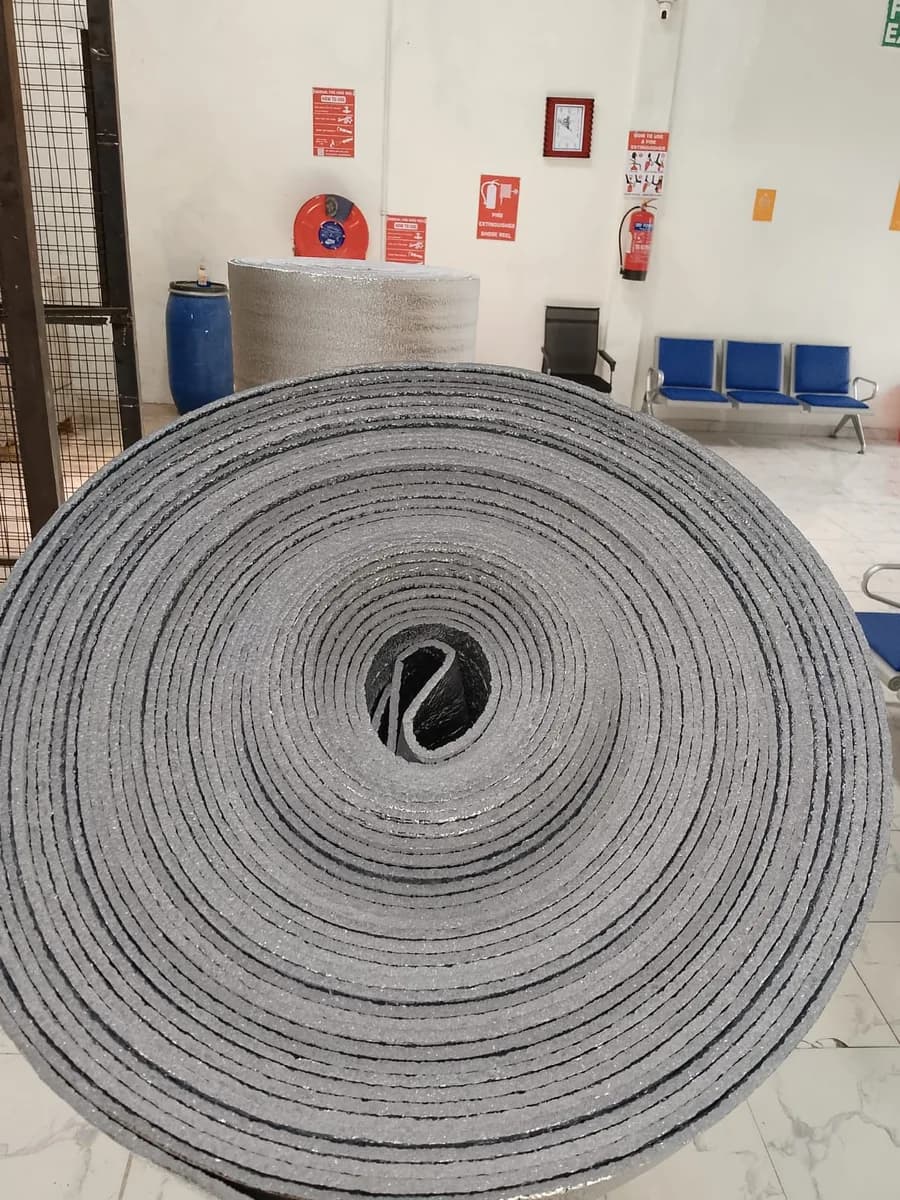
But foil only reflects into an air gap. Pressed hard against something solid, it conducts heat straight through and reflects almost nothing. That is the whole reason the single-laminated PE roll exists: it carries foil on one face only, for places where only one side will ever face a void.
Double-laminated carries foil on both faces, so it reflects whichever way the heat is travelling — down from the sheets in the day, back up at night. Both faces need their own air gap for both to earn their place.
Job two: keeping water vapour out
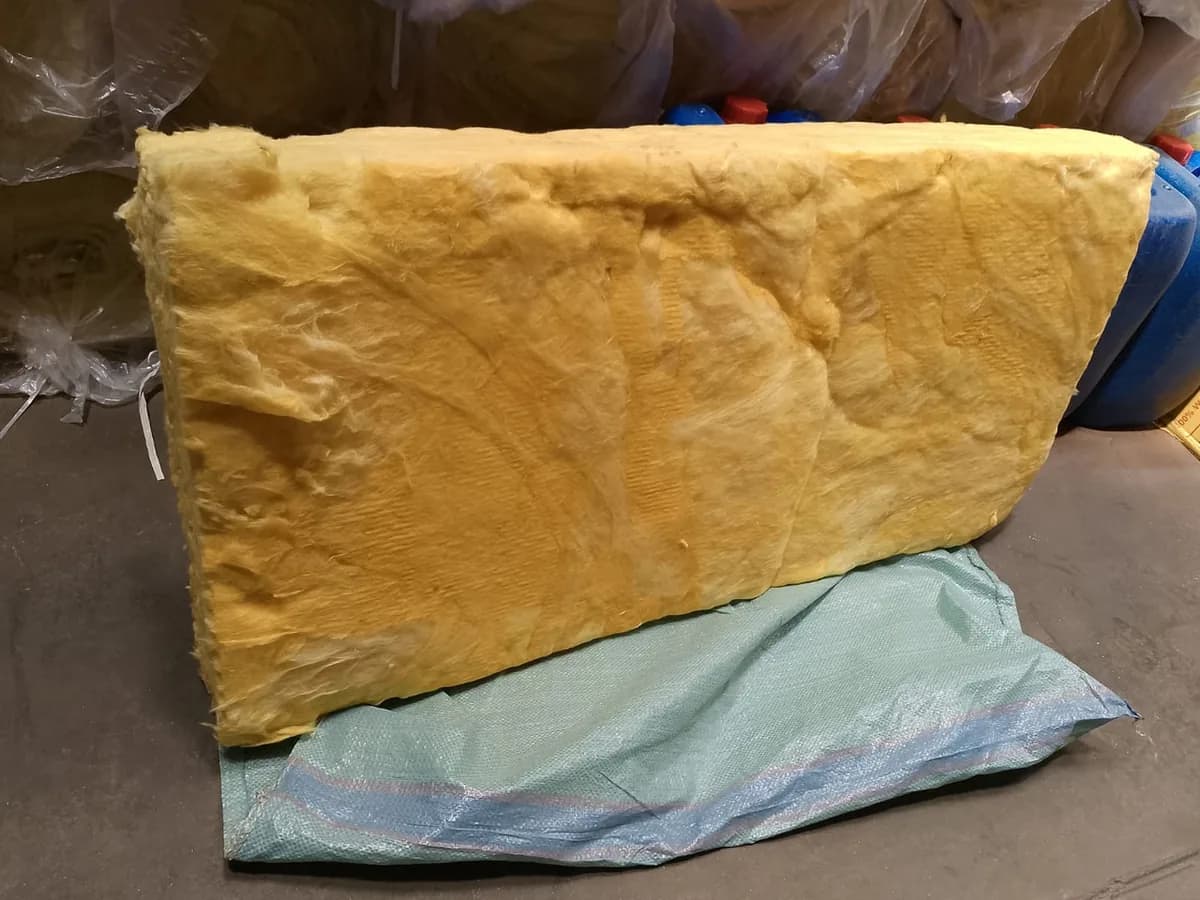
On a material that lets moisture through, the foil is the vapour barrier. Glasswool is open fibre; on the 24 kg/m³ foil-faced glasswool roll, it is the foil, not the wool, that keeps humid air from reaching the cold side of the insulation and condensing in it.
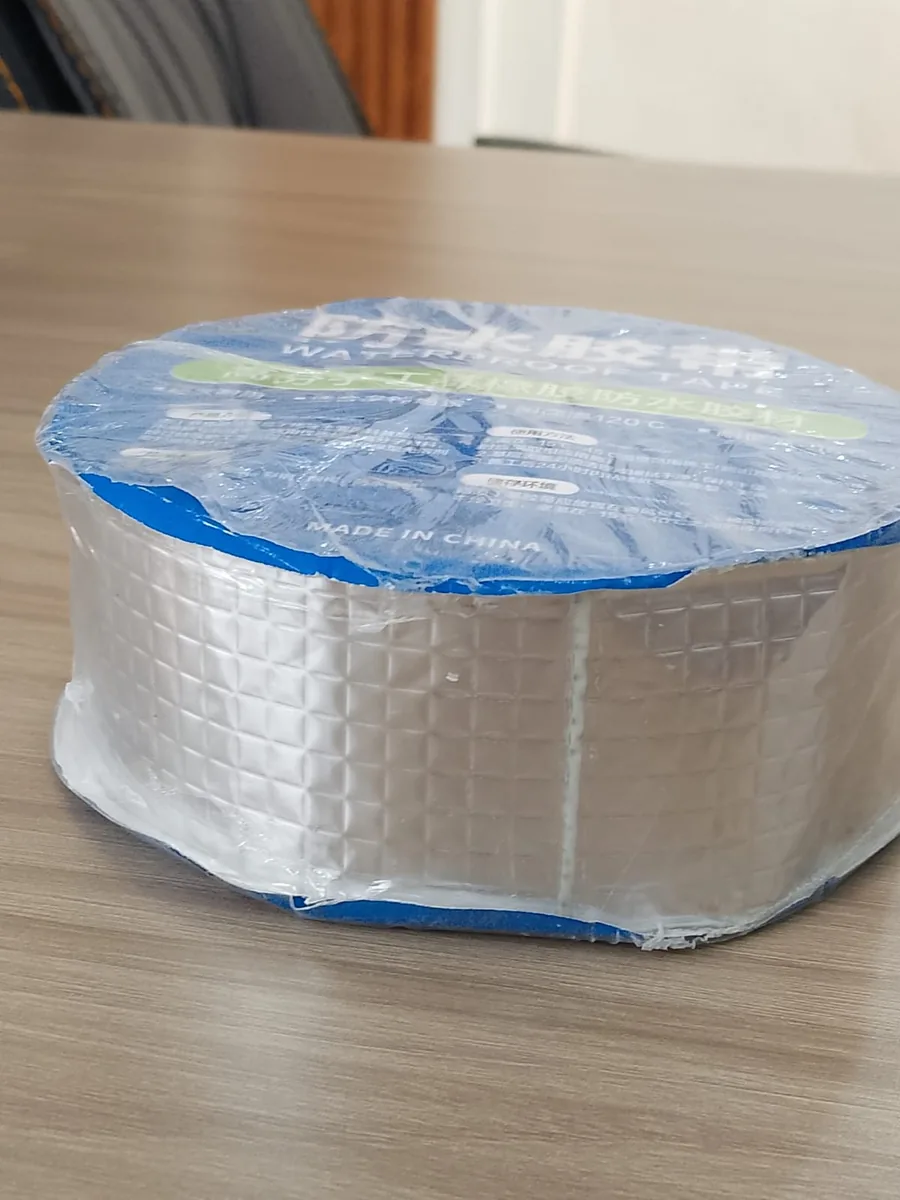
A vapour barrier is only as good as its seams. The 50m × 220mm self-adhesive foil tape exists to close the joints between runs, and FSK facing — foil, scrim and kraft — goes on 1.2m wide as a continuous sheet for the same reason.
A foil with one untaped seam is still a reasonable radiant reflector. It has stopped being a vapour barrier.
Where the foil is doing less than you think
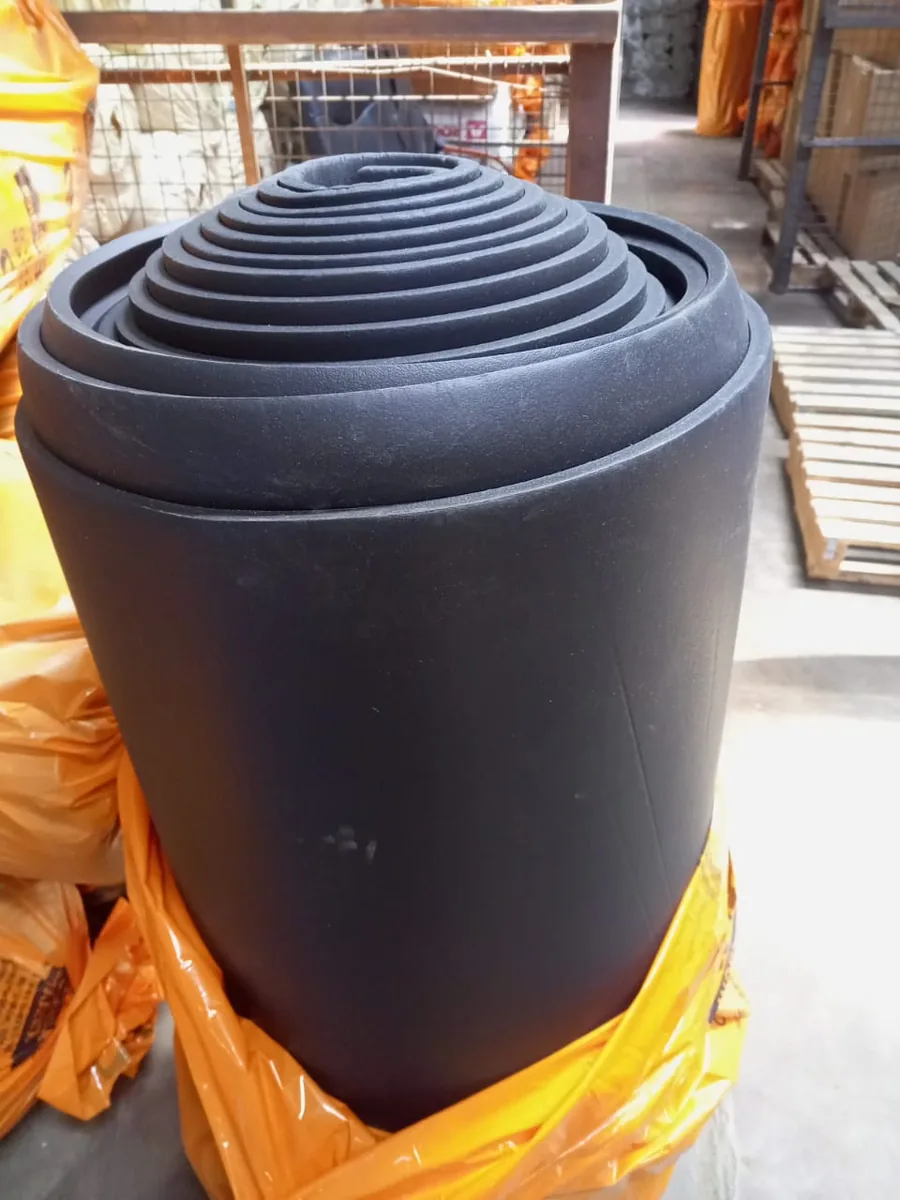
On a closed-cell material the foam itself resists vapour. That is true of the closed-cell polyethylene core in both PE roof rolls and of Armaflex. On those, the foil adds reflection and finishes the surface; it is not what keeps the moisture out.
So "foil-faced" on a closed-cell product and "foil-faced" on a glasswool blanket are not the same claim. On the first the foil is a bonus. On the second it is the vapour control, and the seams decide whether you have any.
Which side the vapour barrier goes on
On the warm, humid side — moisture travels from warm towards cold, and the barrier has to stop it before it reaches the cold face of the insulation.
That rule is usually quoted from guidance written for cold climates, where warm means inside. In an air-conditioned building here, warm and humid is often the outside, and the barrier belongs there instead. Copy the cold-climate detail into a cooled building and the barrier traps moisture in the insulation rather than keeping it out.
Chilled pipework is the extreme case of the same problem, and it has its own guide. For a building envelope, this is a design call rather than a product choice — tell us the application and we will say plainly if it needs an engineer rather than a supplier.
What is not published here
Foil performance is specified on figures this catalogue does not hold. Ask before you design against any of them.
- R-values for either PE roof roll — both pages say so.
- Emissivity of the foil facings.
- Vapour permeance of the facings, the tape or the FSK.
- Temperature limits of the foil facing where it differs from the core.
Send us the duty and we will confirm the specification against the manufacturer's documentation.
Request a quote